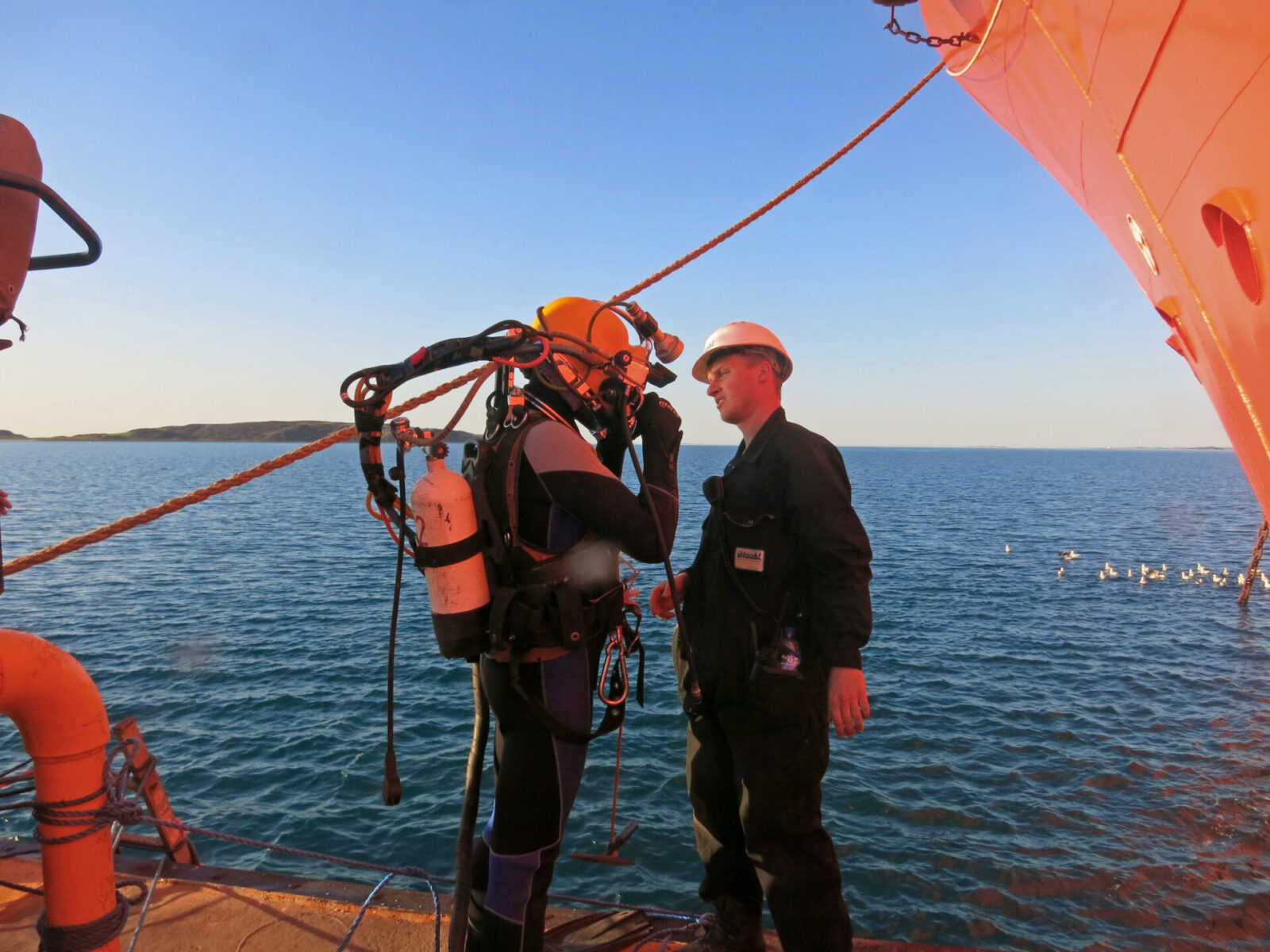
Bow thruster problems can quickly become operational problems. Damage to propeller blades, malfunctioning feedback systems, and the need for major overhauls can all affect a vessel’s maneuverability and disrupt carefully planned schedules. Whether on a container vessel in Rotterdam, a cruise ship in Phuket, or an offshore vessel in Australia, shipowners facing these challenges are often confronted with costly delays and unscheduled drydock visits.
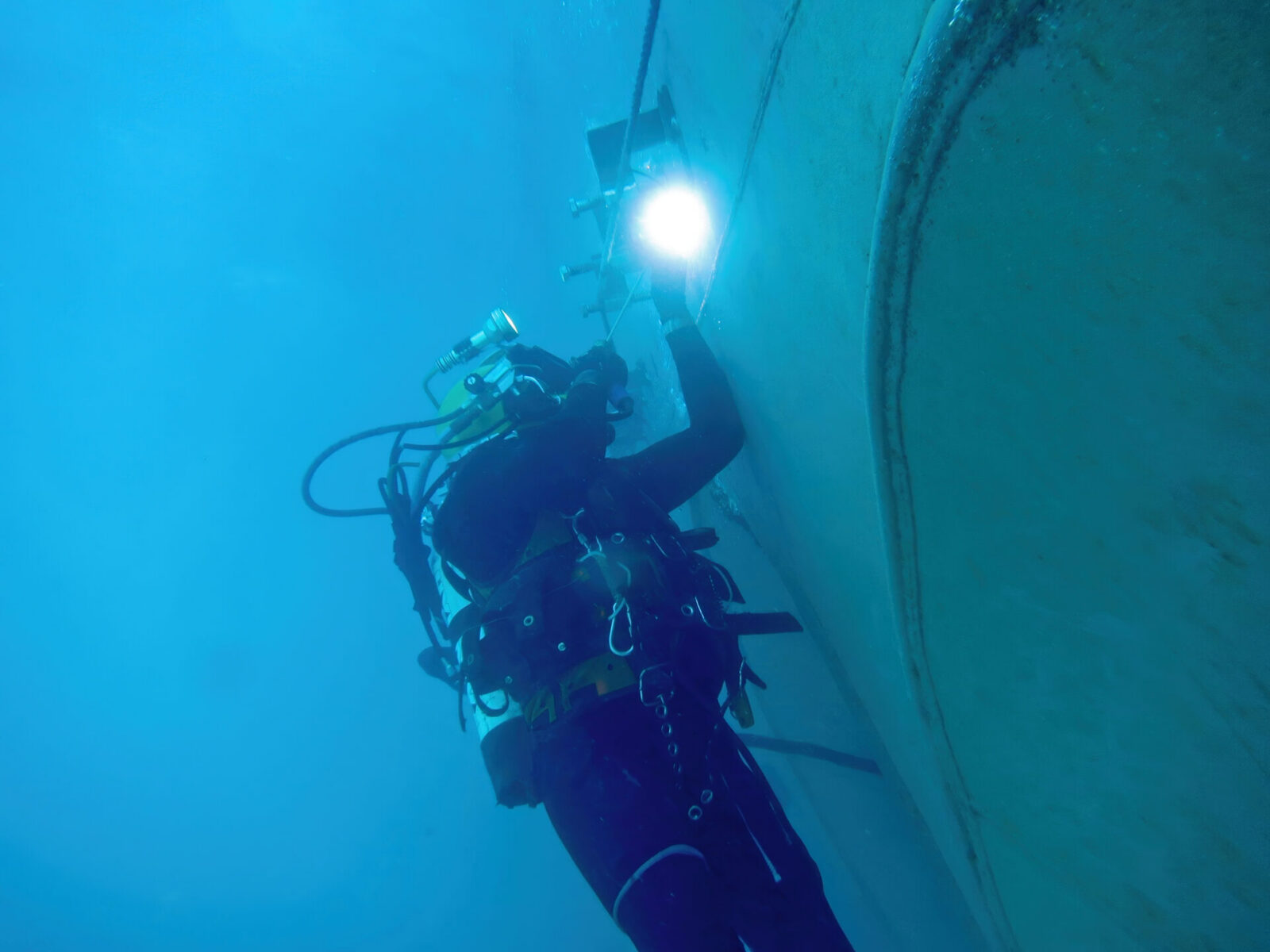
Bow thruster maintenance can involve a wide range of operations, from replacing damaged blades and repairing internal components to removing complete units for overhaul. Traditionally, much of this work would require drydocking the vessel, often resulting in significant costs, and disruption to commercial schedules. By performing these operations underwater, we can often eliminate the need for a drydock visit altogether and significantly reduce the time a vessel needs to spend out of service. The following case studies show how this approach has been applied in different locations around the world and under a variety of circumstances.
Case studies
The Netherlands: keeping a container vessel on schedule
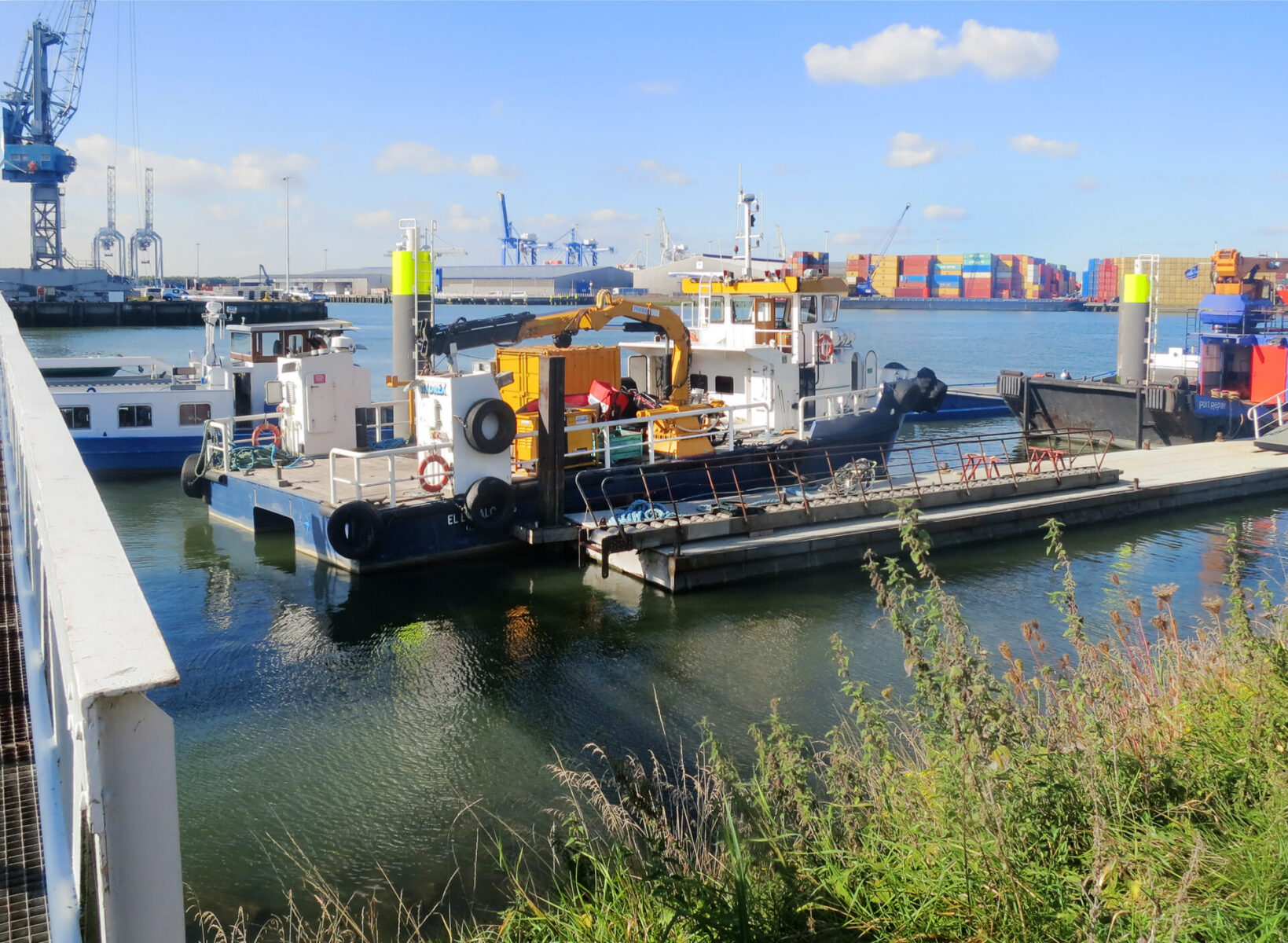
A 363-meter container vessel required the underwater removal of its bow thruster for overhaul. The vessel was calling at Rotterdam, but its schedule allowed only a very short window for the operation.
To reduce the time needed in port, we split the project into stages. During an earlier stop in Le Havre, France, our diver/technicians prepared the thruster tunnel so that the final removal could be completed more quickly once the ship arrived in Rotterdam.
When the vessel reached Rotterdam, our team mobilized to the ship and carried out the underwater removal within the available time frame. The bow thruster unit was detached, removed from the tunnel, and delivered to the manufacturer for overhaul.
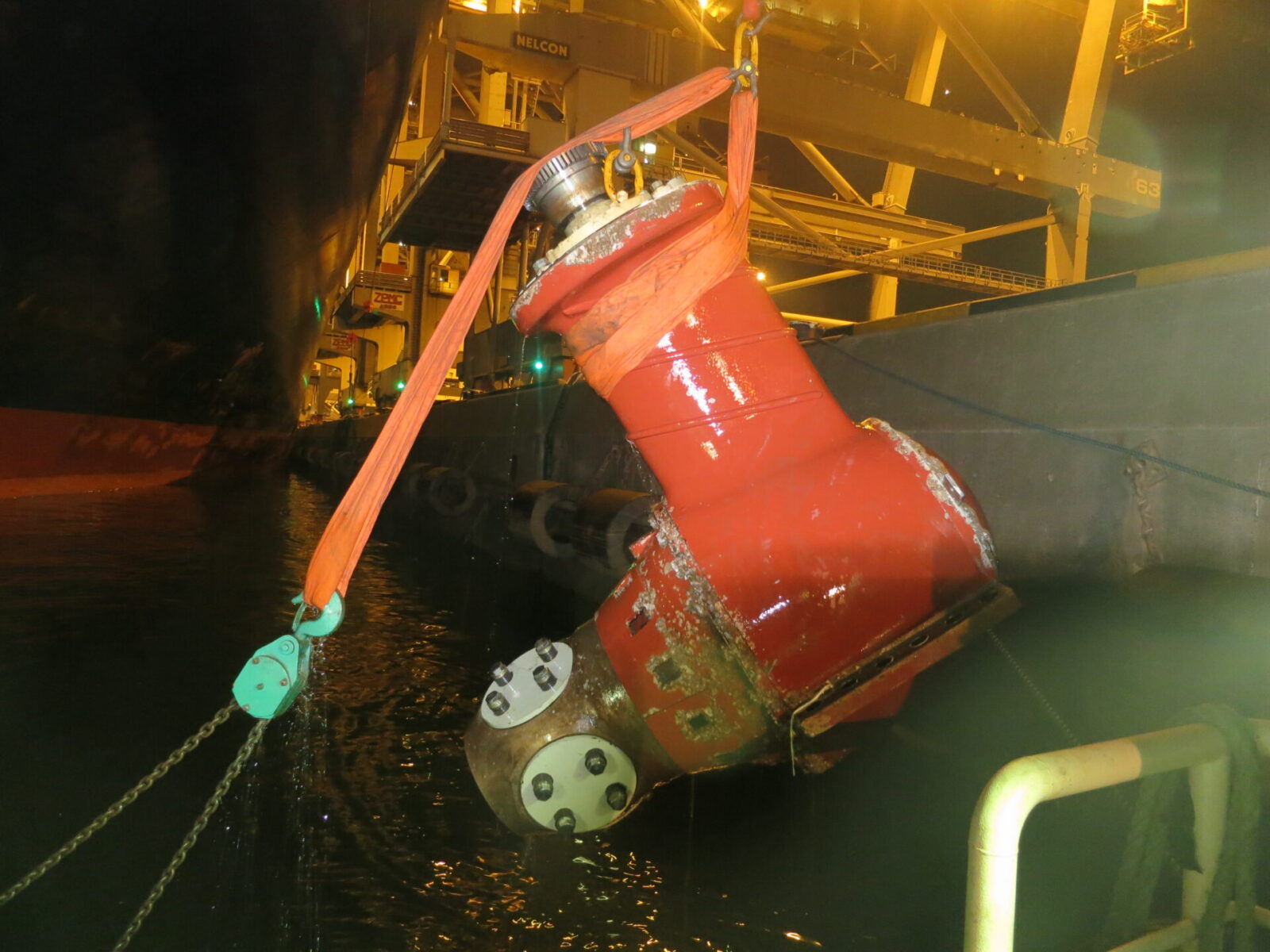
By preparing the operation in advance and completing the removal underwater, we helped the owner avoid additional off-hire time and keep the vessel’s schedule intact.
Italy: reinstalling an overhauled thruster during a single stop
In Piombino, we carried out the underwater reinstallation of an overhauled bow thruster on a 300-meter container ship. The unit had been removed by our divers a month earlier because the vessel’s schedule did not allow the entire project to be completed in one port call.
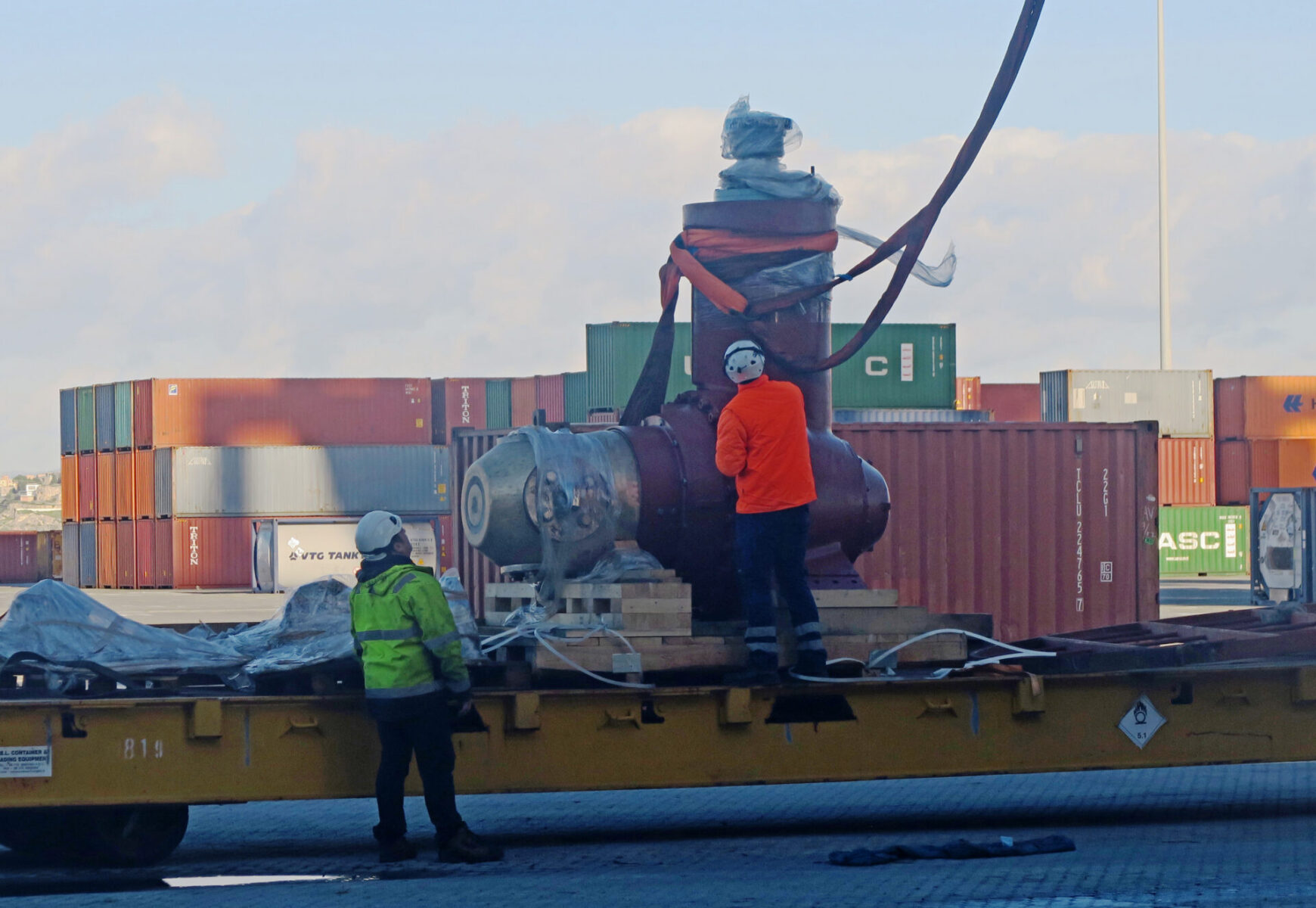
For the reinstallation, the available time window was slightly larger. This allowed our team to complete the job during a single stop. Once the overhauled unit was maneuvered back into the thruster tunnel, our flexible mobdocks were installed to close off the tunnel and create a dry working environment.
With the water pumped out, our diver/technicians secured and connected the unit. After the propeller blades had been installed one by one, the thruster was tested to confirm that it was functioning correctly.
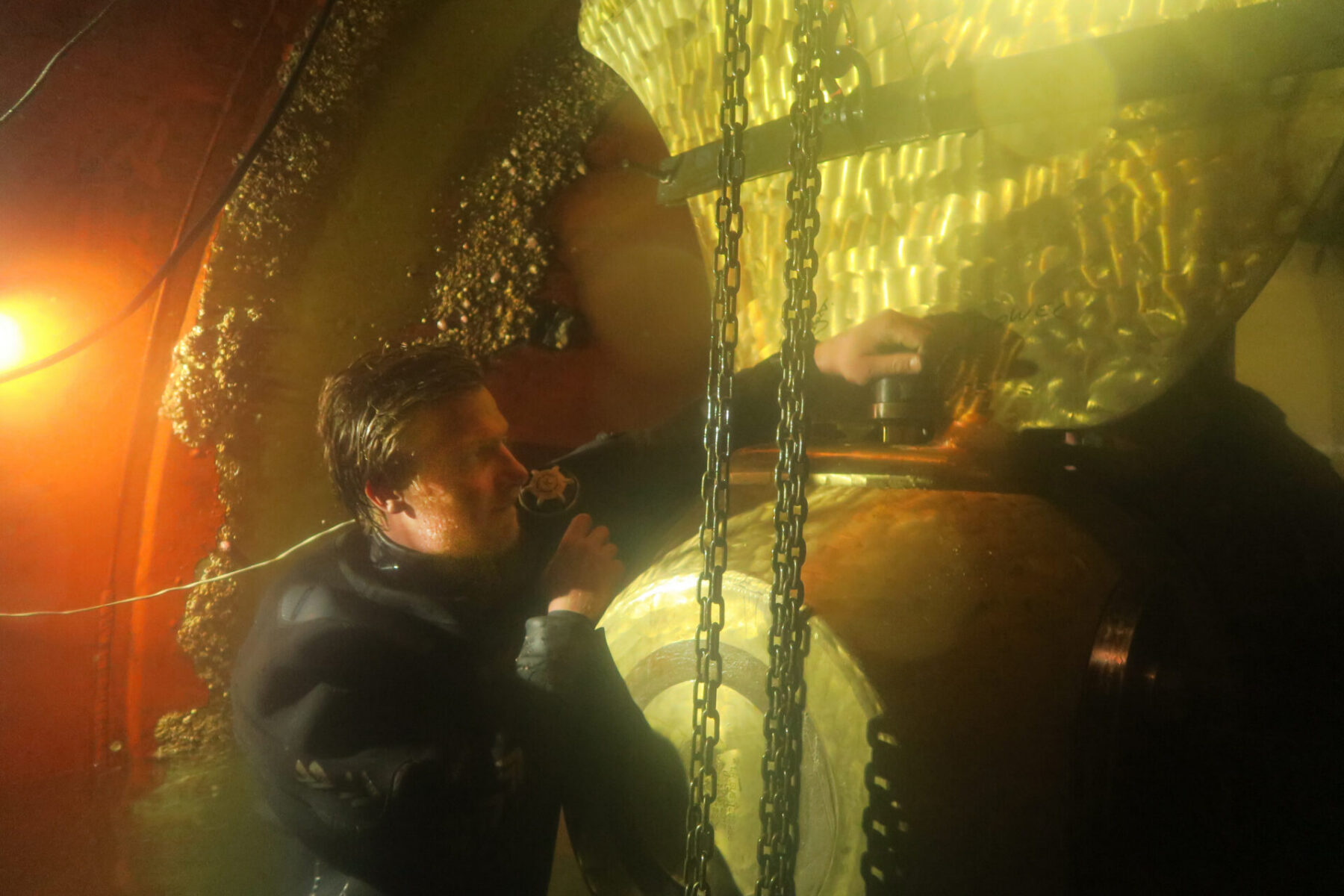
Our teams worked in shifts around the clock to finish the operation as quickly as possible. As a result, the charterer did not have to worry about delays to the vessel’s schedule.
Thailand: repairing a cruise ship thruster afloat
A 200-meter cruise ship in Phuket, Thailand, began to have problems with the feedback system that indicates the position of the bow thruster blades. Because the vessel was operating on a strict cruise itinerary, taking it out of service for drydock repairs was not an option.
In cooperation with the thruster manufacturer, our technical department developed a repair plan that allowed the work to be carried out afloat without removing the complete unit from the tunnel.
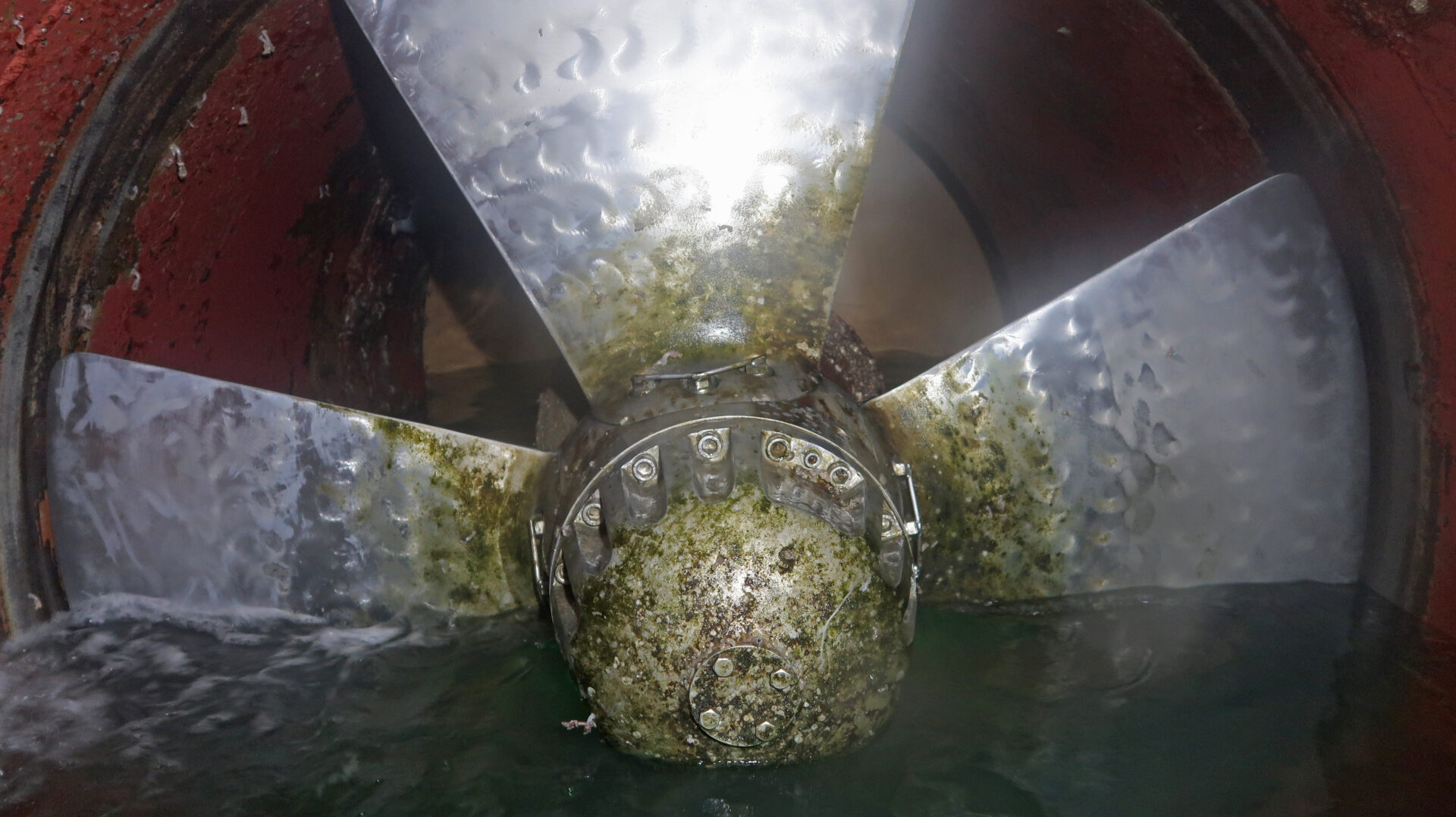
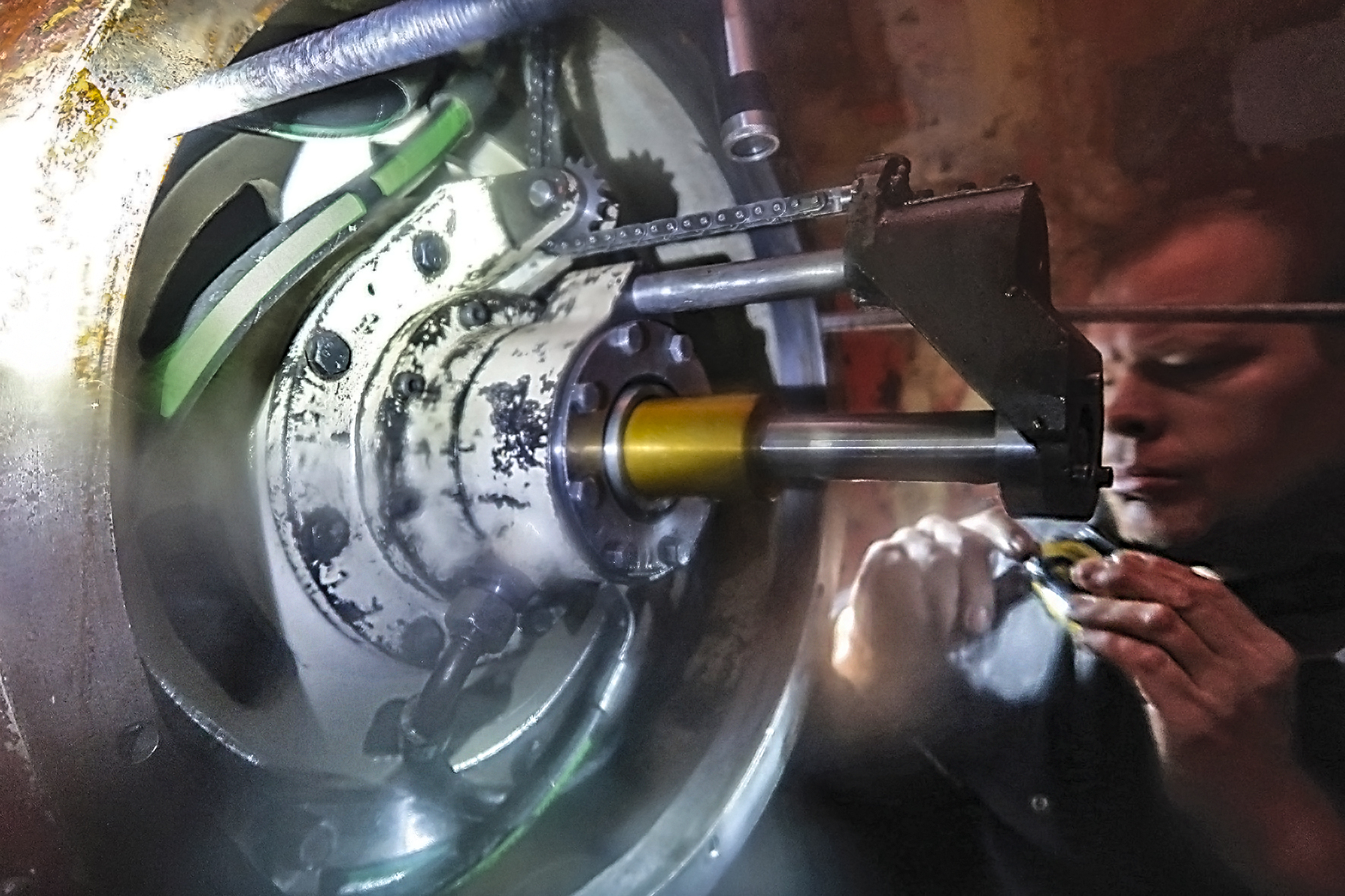
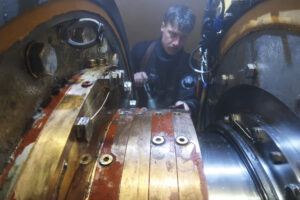
We mobilized a diver/technician team to Phuket and installed our flexible mobdocks to create dry working conditions inside the tunnel. The team inspected the unit, removed the cover of the gearbox, and carried out the necessary repairs to the damaged feedback system.
Close cooperation with the vessel’s crew, the OEM, and all other parties involved contributed to the rapid and efficient completion of the project. The owner avoided a drydock visit, saved valuable time, and kept the cruise ship on schedule.
Spain: underwater bow thruster removal from a 306-meter container ship
In Algeciras, we were asked to remove the bow thruster of a 306-meter container vessel while the ship remained afloat.
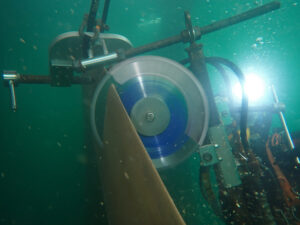
After setting up a monitoring station, our diver/technicians began by detaching the blades one by one. At the same time, preparations were made in the bow thruster engine room to prevent any ingress of water once the unit was removed.
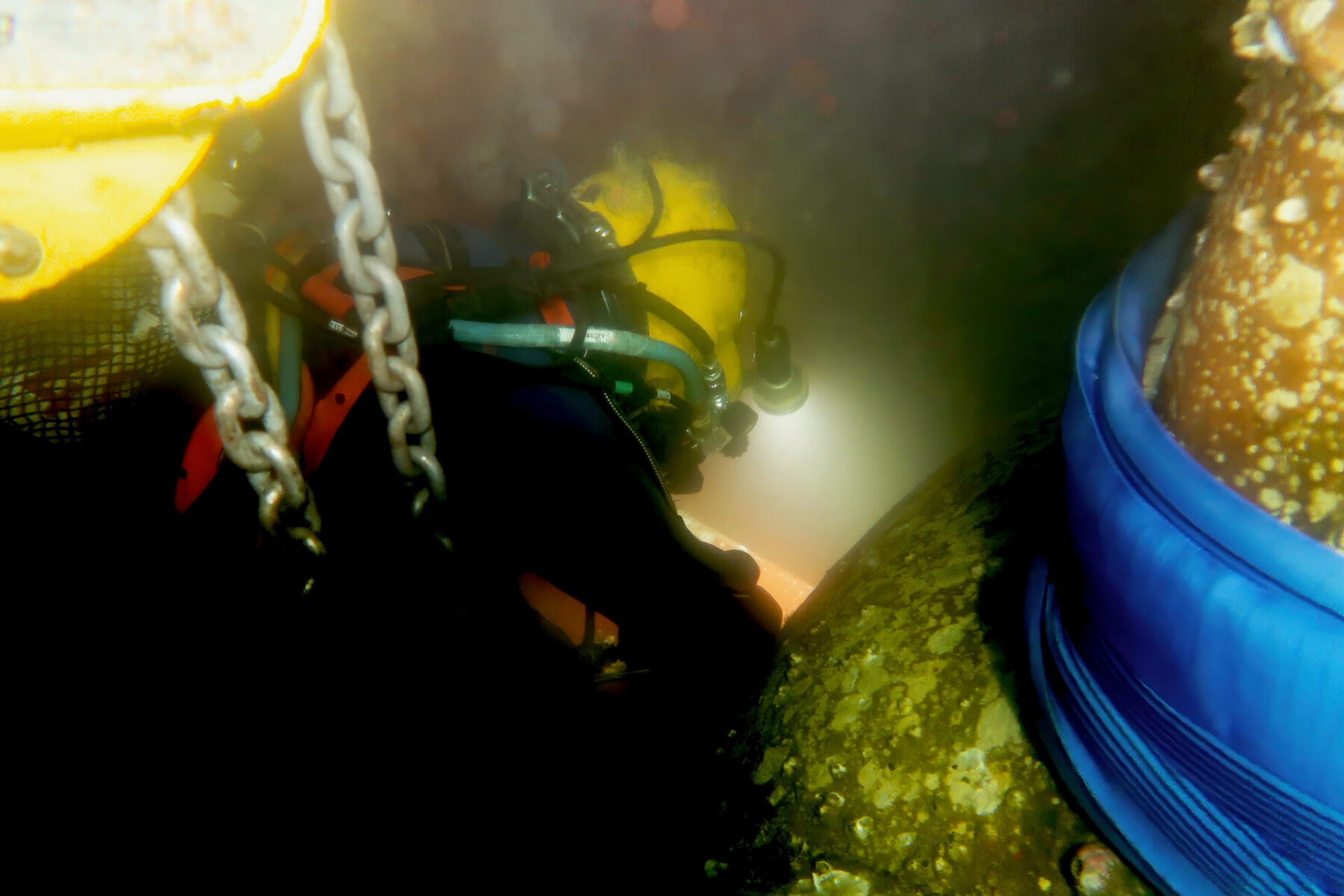
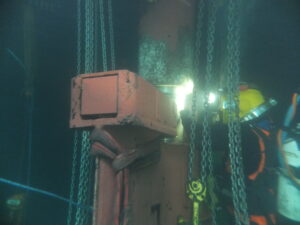
The gearbox was then secured with hoisting equipment. After the unit was disconnected from the engine room, it was lowered onto a cradle specifically designed for these types of operations. The bow thruster was then brought to the surface and prepared for transport to the workshop.
By carrying out the removal underwater, we enabled the owner to stay out of drydock and keep the vessel’s operational disruption to a minimum.
Australia: complete removal and reinstallation at anchorage
One of our more demanding bow thruster projects took place at anchorage in Dampier, on an 82-meter offshore supply vessel. The owner needed the thruster removed, overhauled, and reinstalled, but sending the vessel to drydock would have taken it away from its project.
Despite the remote location, our technical department quickly arranged the practical and logistical requirements. As the vessel sailed toward Dampier, our diver/technician team mobilized as well.
Once the vessel was at anchorage, part of the team prepared the bow thruster engine room, while the underwater team removed the tunnel grids and detached the blades. Blind flanges were installed to prevent oil leaking from the thruster during the removal.
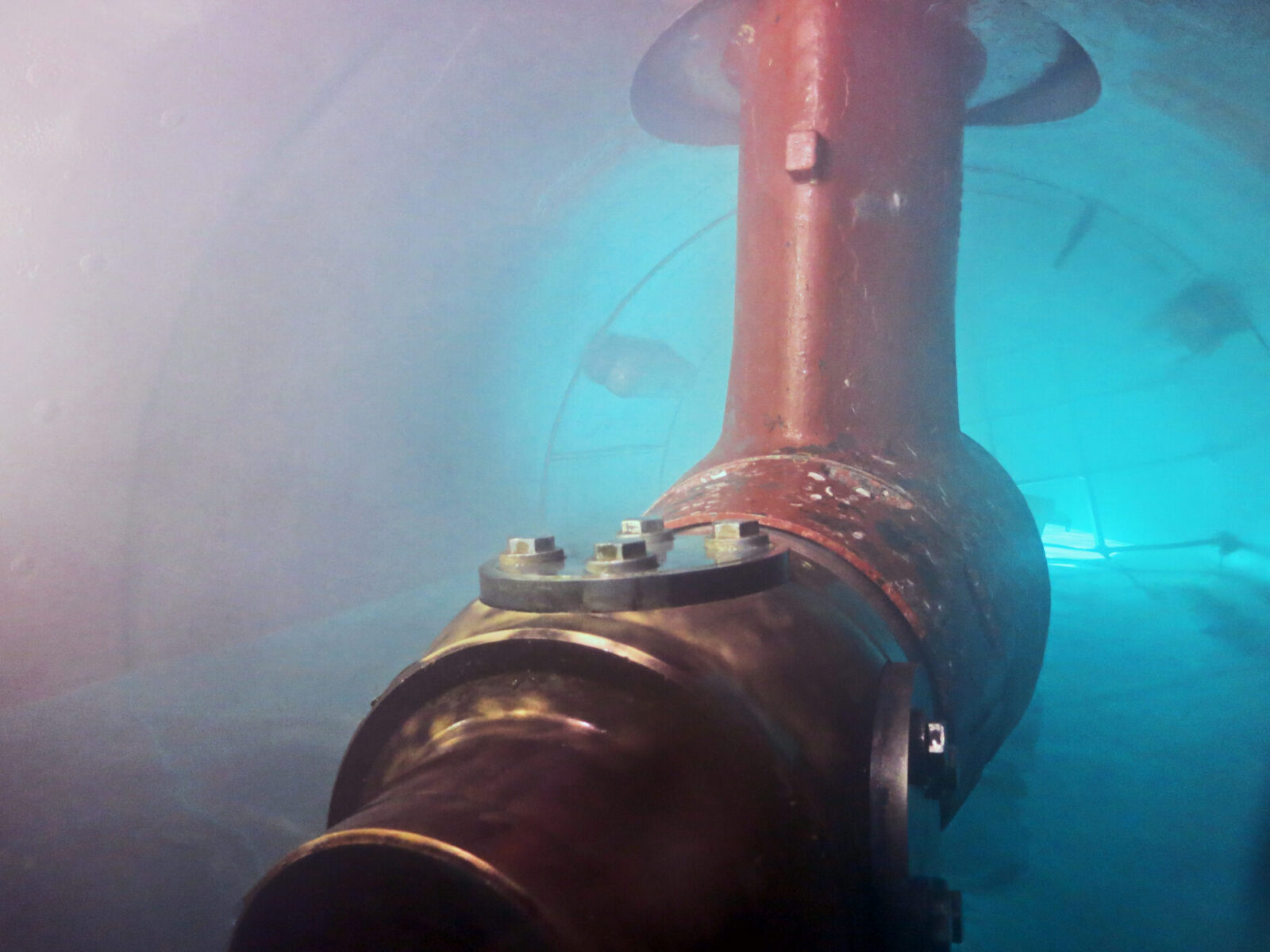
The thruster unit was removed from the tunnel using our purpose-designed and built cradle and brought onboard the workboat in one lift with the vessel’s crane. It was then transported to a local workshop, where it was overhauled by an OEM technician team.
Our team remained on standby so the reinstallation could begin as soon as the unit returned. The overhauled thruster was brought back into the tunnel using the reverse procedure. Flexible mobdocks were then installed to create a dry environment, allowing our diver/technicians to secure the gearbox, reinstall the propeller blades, reconnect the unit to the engine room, and carry out leakage testing.
Because both the removal and reinstallation were performed underwater, the vessel stayed on project and avoided a drydock visit.
A practical solution for demanding schedules
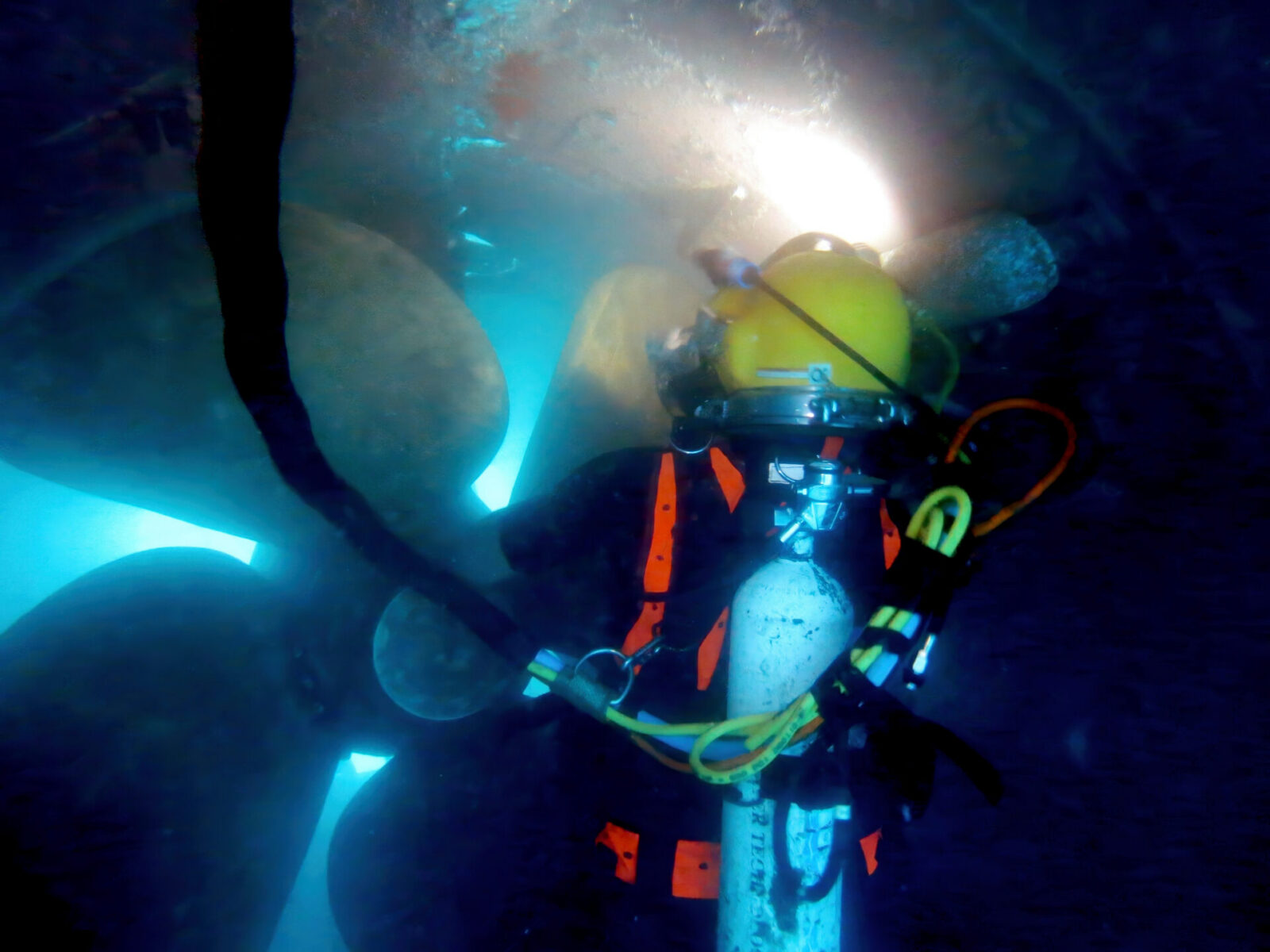
These projects show the range of bow thruster operations that can be carried out underwater. Each project was different, but the objective was the same: give the owner a safe, efficient, and practical alternative to drydocking.
By combining experienced diver/technicians, in-house engineering, flexible mobdock technology, and close cooperation with OEMs, we can help vessel operators keep their ships sailing while essential bow thruster work is completed.