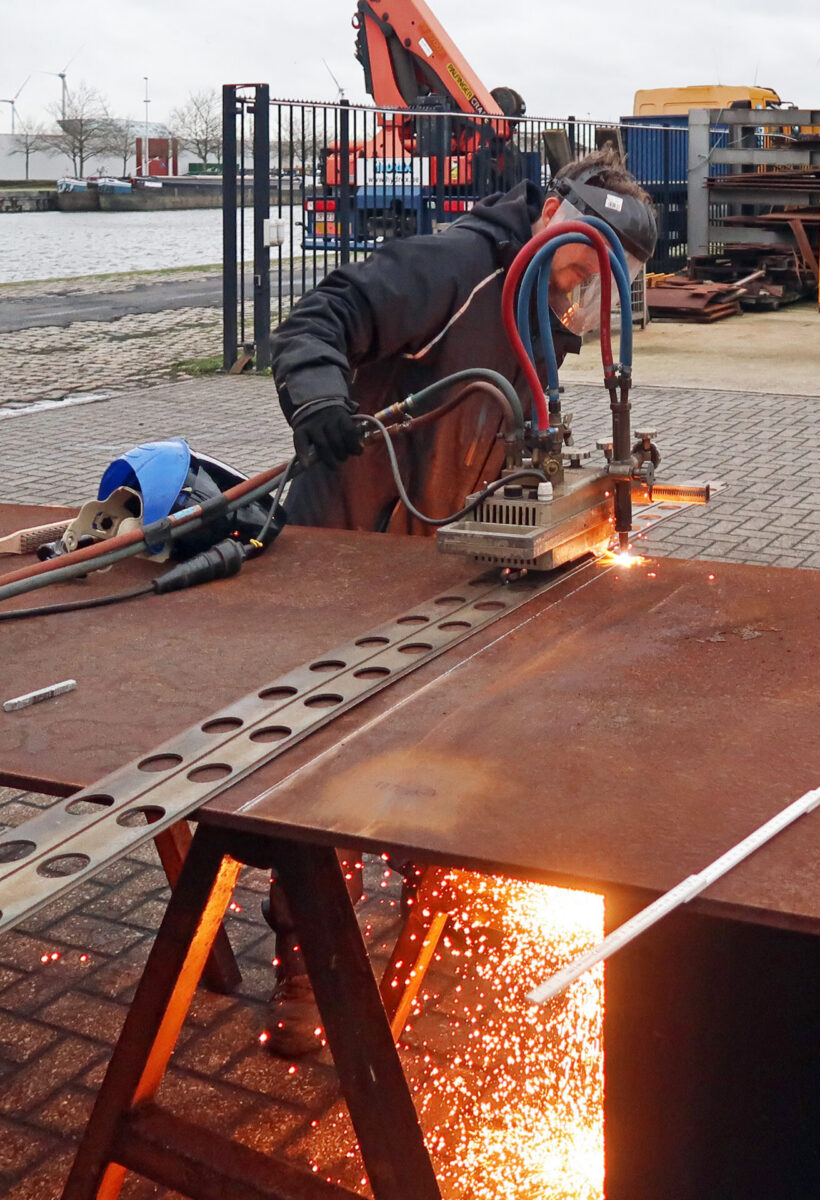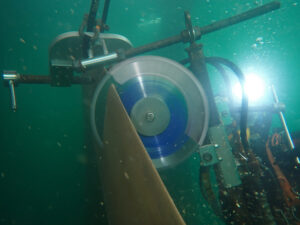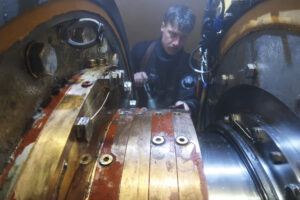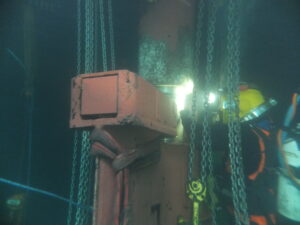
Damage to a vessel’s shell plating can have immediate operational consequences. Whether caused by corrosion, grounding, cracking, or accidental impact, damaged hull plating often leaves owners facing unscheduled repairs, costly delays, and an unexpected drydock visit.
The following projects illustrate how we help shipowners overcome these challenges through underwater hull repair solutions. From permanent insert repairs in Rotterdam, Amsterdam, and Trinidad to emergency doubler plate installations in Las Palmas and crack repairs in Zeebrugge, each operation demonstrates how shell plating damage can often be repaired while the vessel remains afloat.
Hull damage rarely presents itself in exactly the same way. Some situations require a permanent insert plate replacing the damaged section of shell plating, while others call for a temporary doubler plate that allows the vessel to continue operating until the next scheduled drydocking. Working closely with classification societies, owners, and vessel crews, we develop the most appropriate repair method for each individual situation.
Case studies
Rotterdam: sea chest insert repair reveals larger damage
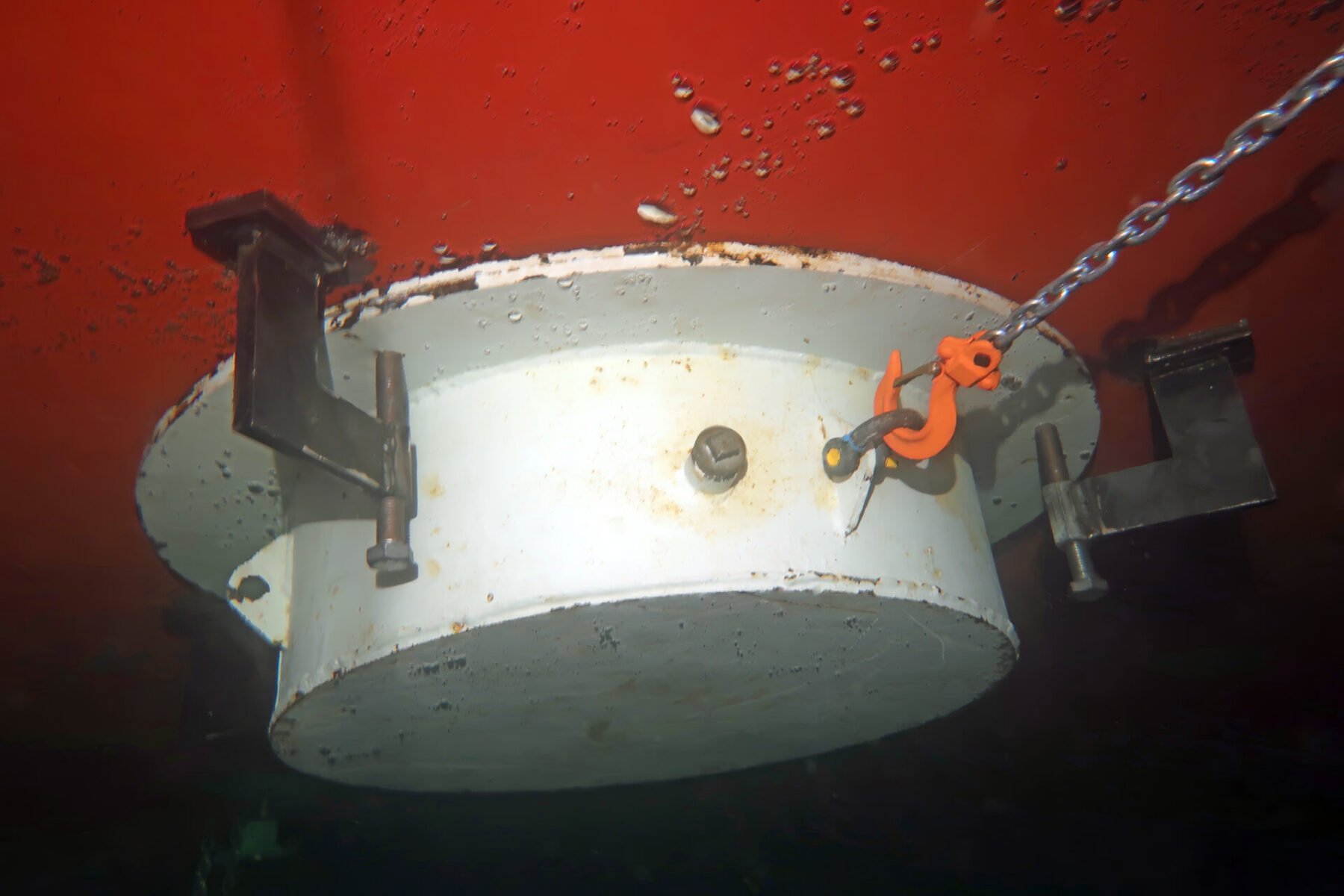
One project began in Rotterdam, where the starboard sea chest of a tanker’s engine room sprang a leak. Initially, the owner requested an insert repair, but thickness measurements carried out by an independent NDT specialist revealed that the deterioration extended much further than expected.
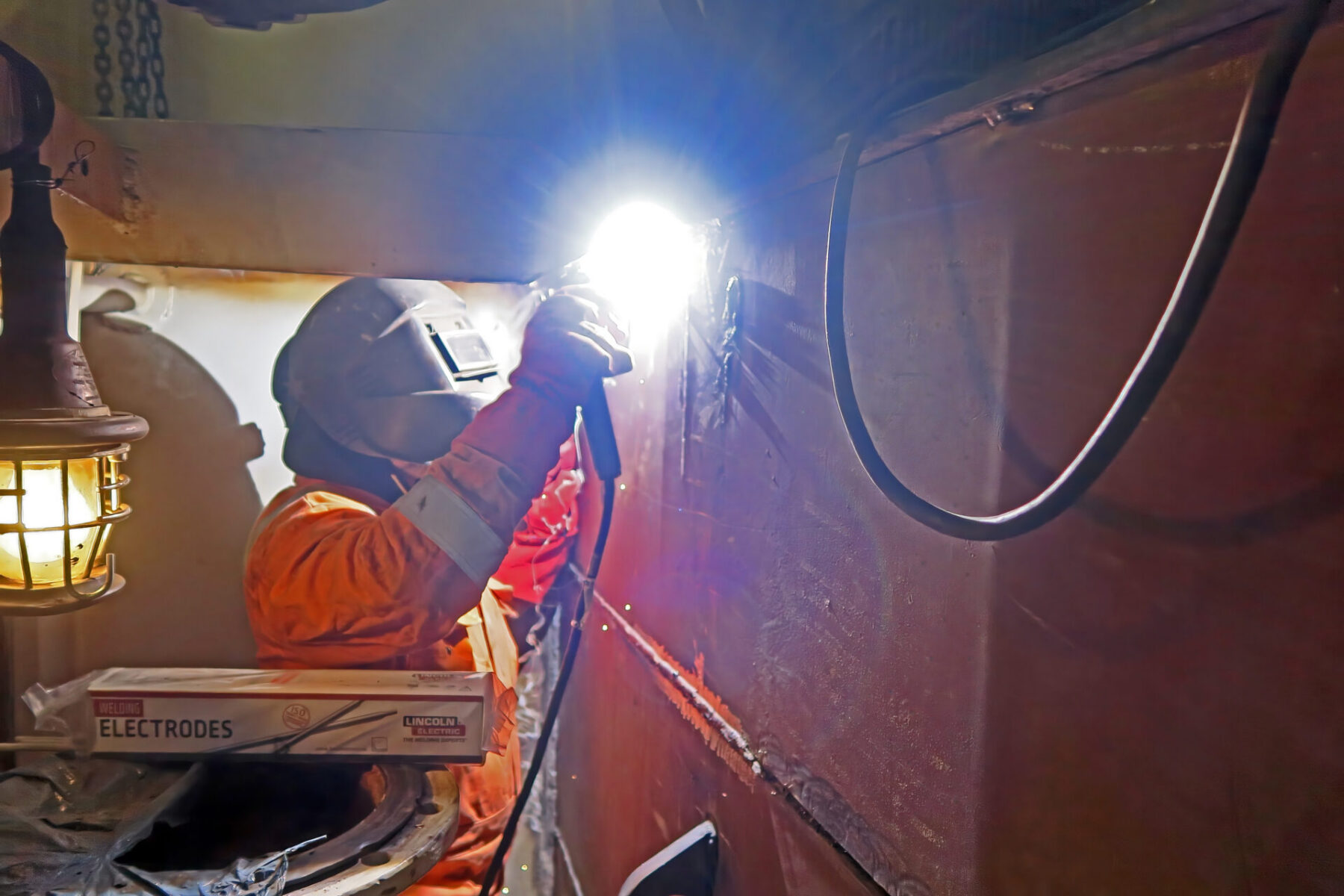
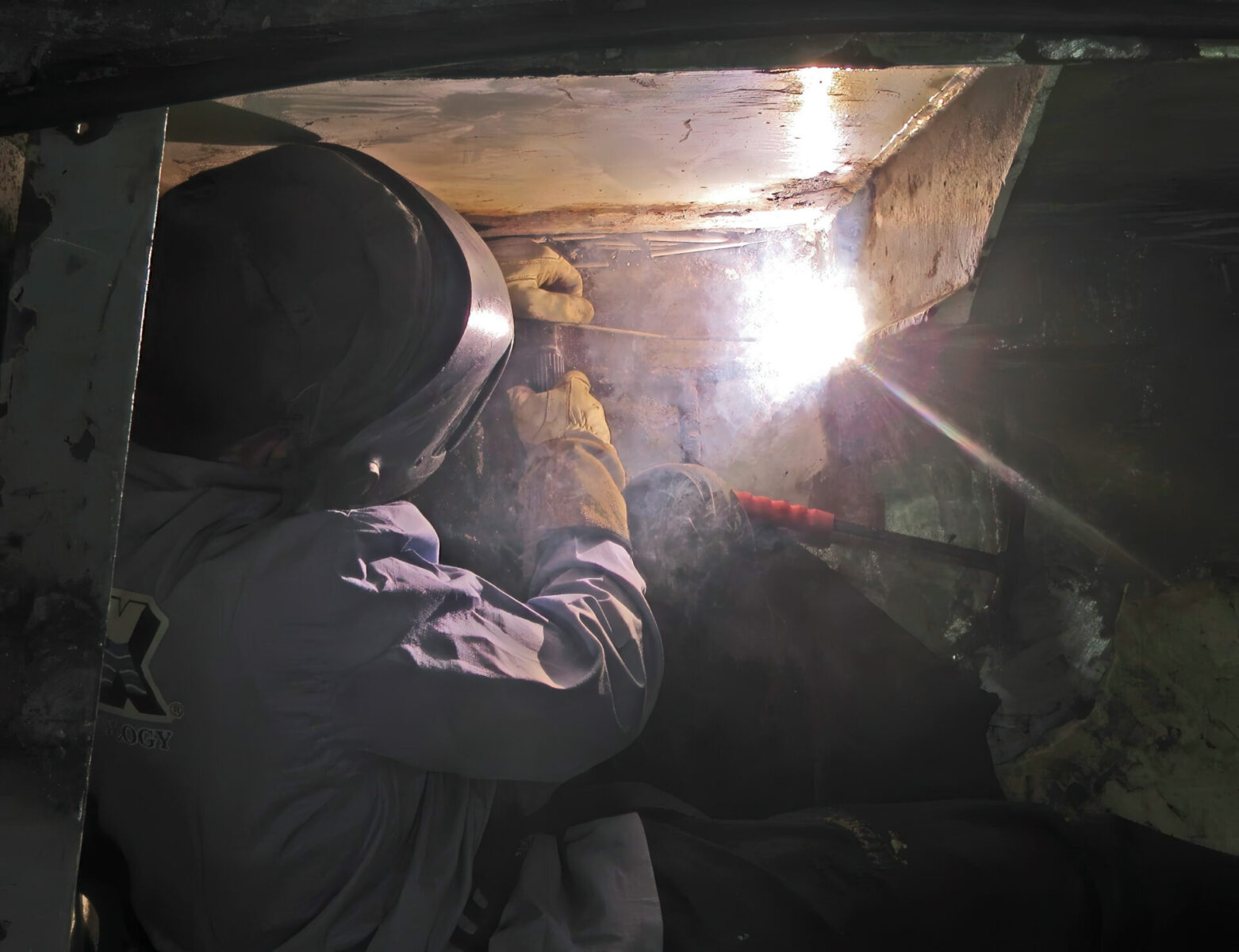
Working together with the vessel’s crew and the attending classification society, we revised the repair plan before work began. After the sea chest had been emptied and all piping and coolers removed, our diver/welders cut away the damaged plating and installed two new insert plates using class-approved full penetration welds. Independent NDT confirmed the quality of the repair before it received final class approval.
Las Palmas: emergency repair after grounding
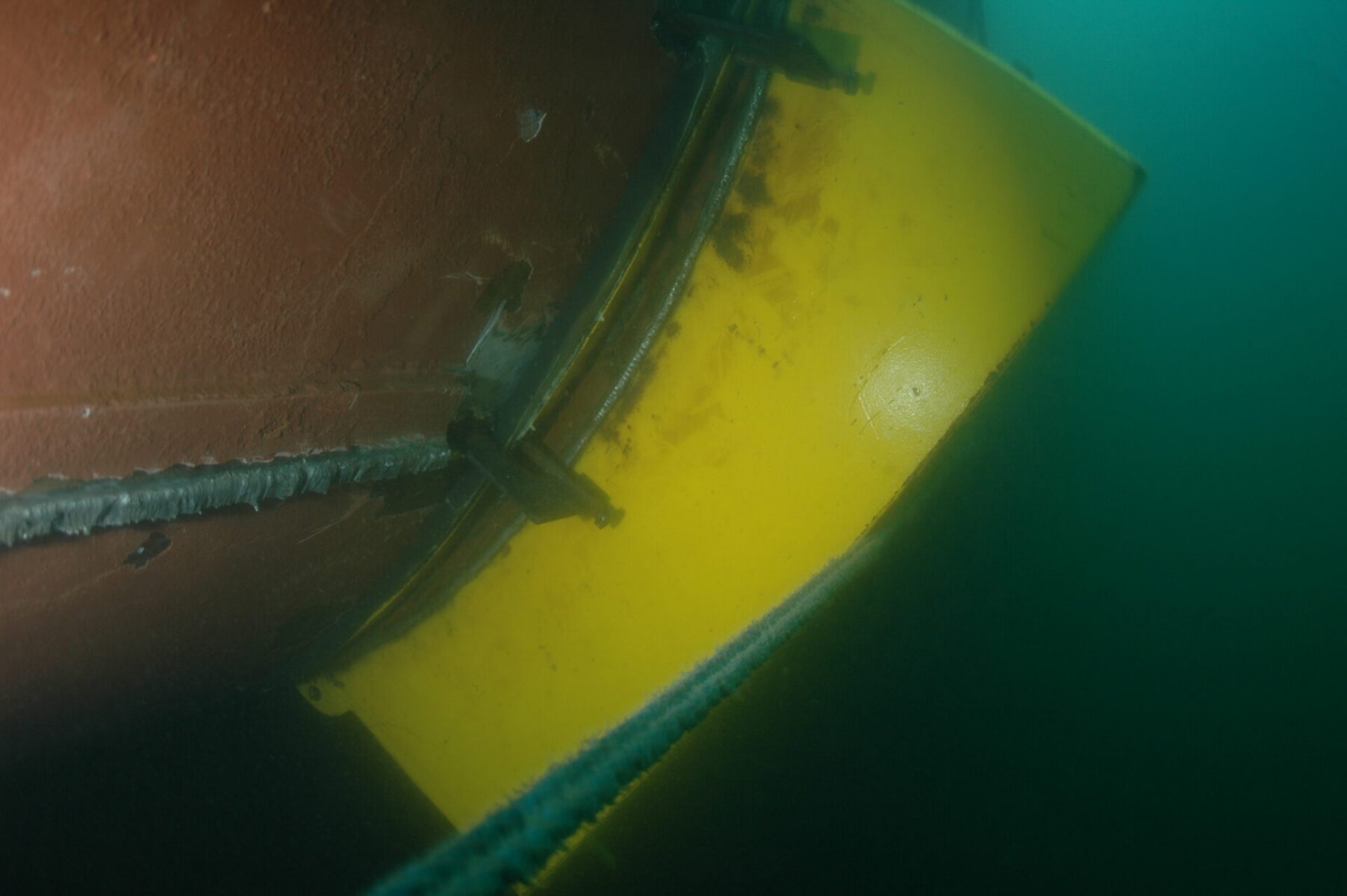
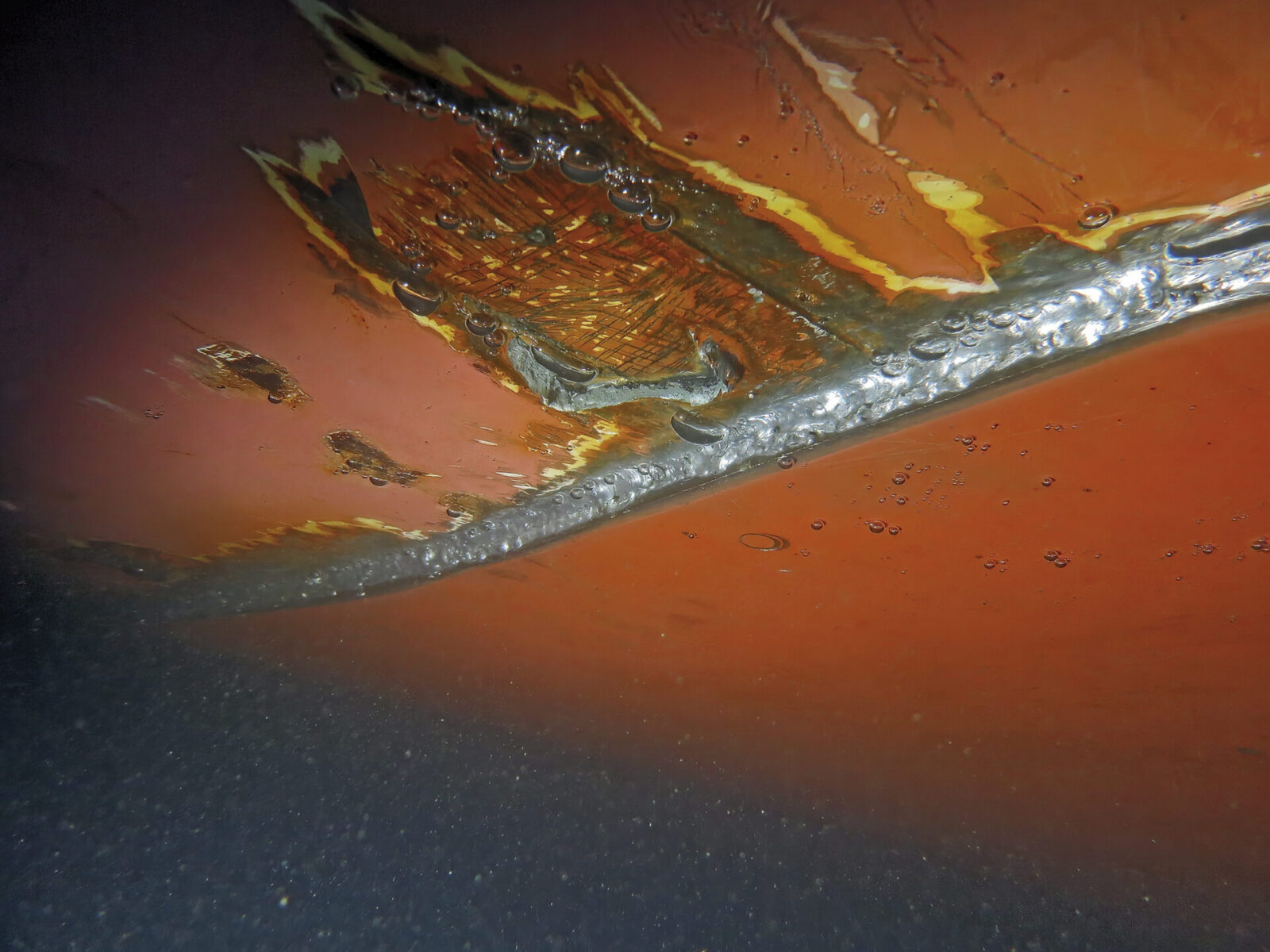
When a fully loaded 180-meter bulk carrier suffered grounding damage in Las Palmas, Spain, the owner required an immediate solution that would avoid further delay. Following an underwater inspection, we fabricated and installed a doubler plate over the damaged area, allowing the vessel to resume trading while a permanent repair could be scheduled during a future drydock.
Port of Spain: permanent insert repair avoids drydock
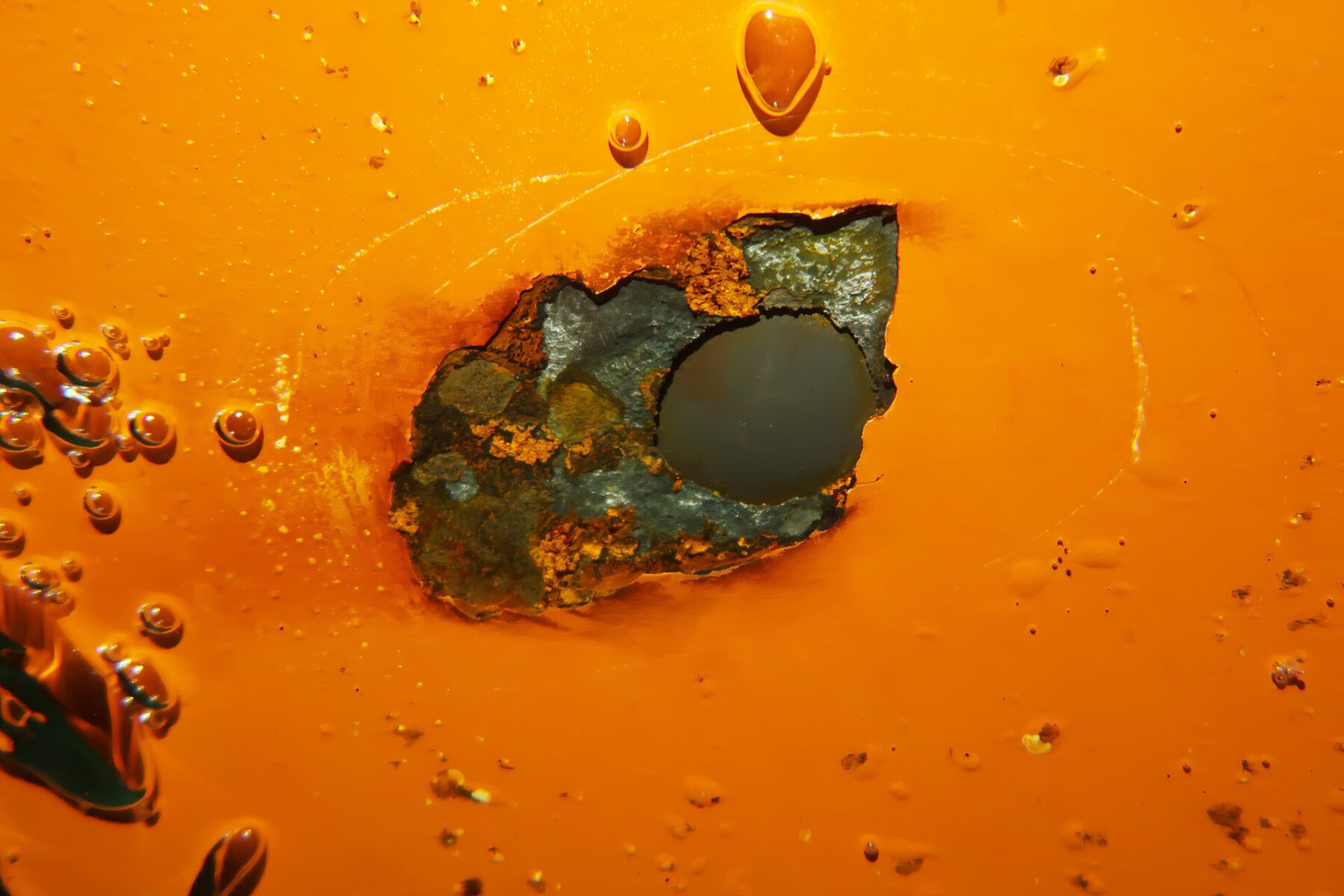
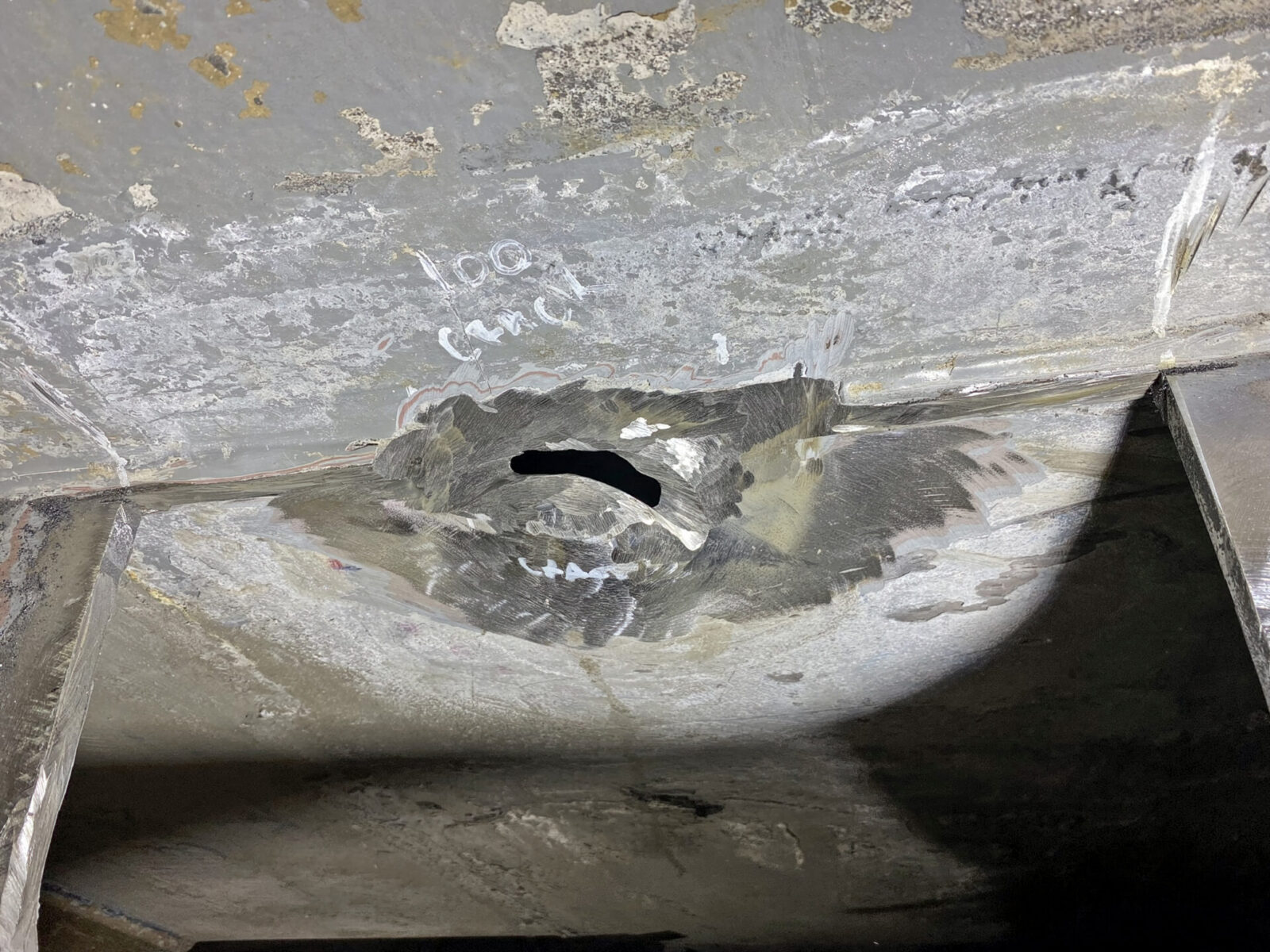
A 164-meter chemical tanker in Port of Spain, Trinidad, required permanent repairs to damaged bottom plating underneath a sounding pipe in one of its ballast tanks. A temporary repair had already been carried out, but the owner wanted a permanent class-approved solution without taking the vessel into drydock.
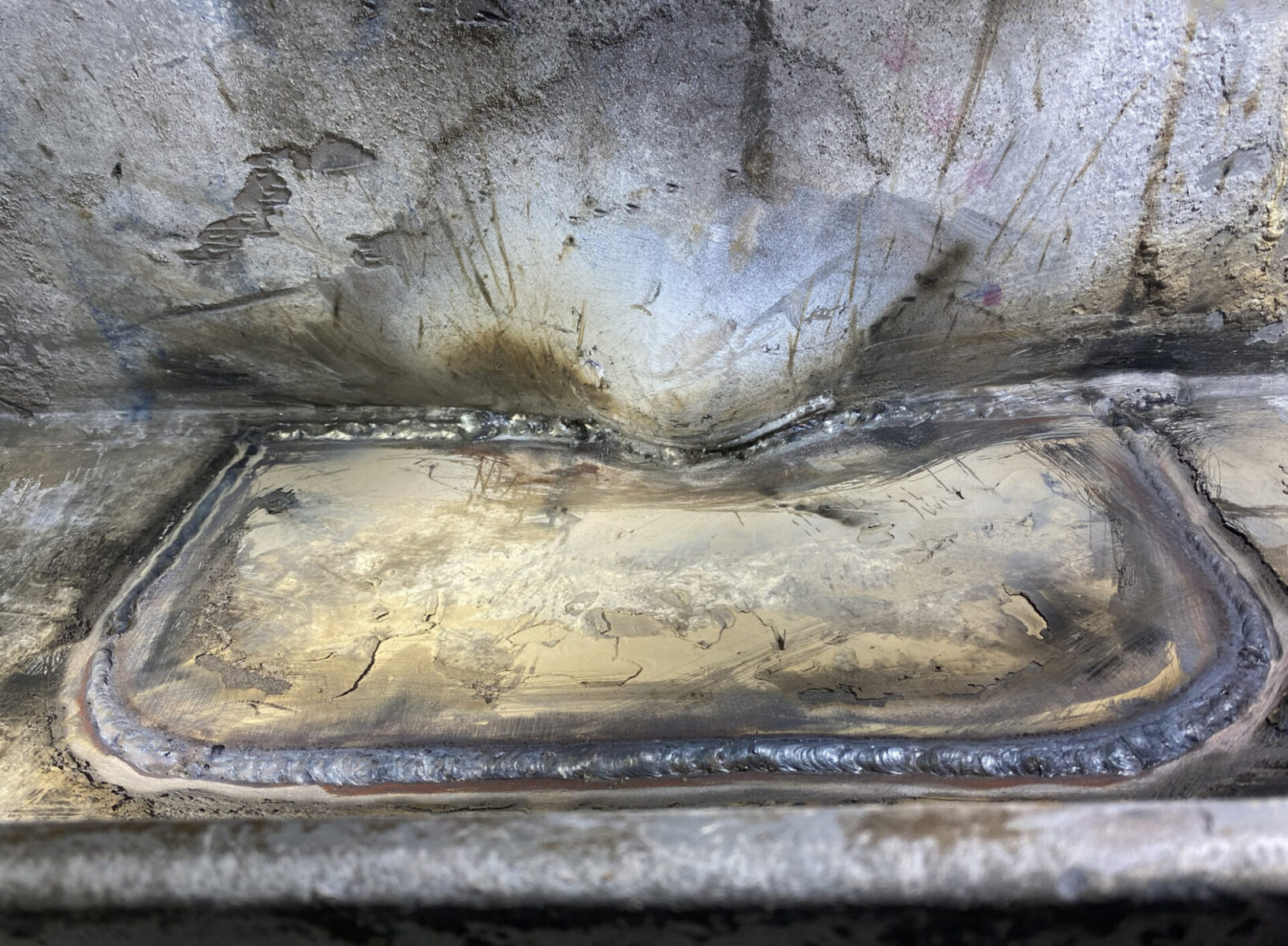
After installing a cofferdam, we removed the damaged section, prepared the opening, positioned a new insert plate, and completed the repair using our class-approved full penetration welding procedure. Following successful ultrasonic testing and approval by the attending classification surveyor, the cofferdam was removed and the vessel returned to service.
Amsterdam: engine room insert repair completed during port stay
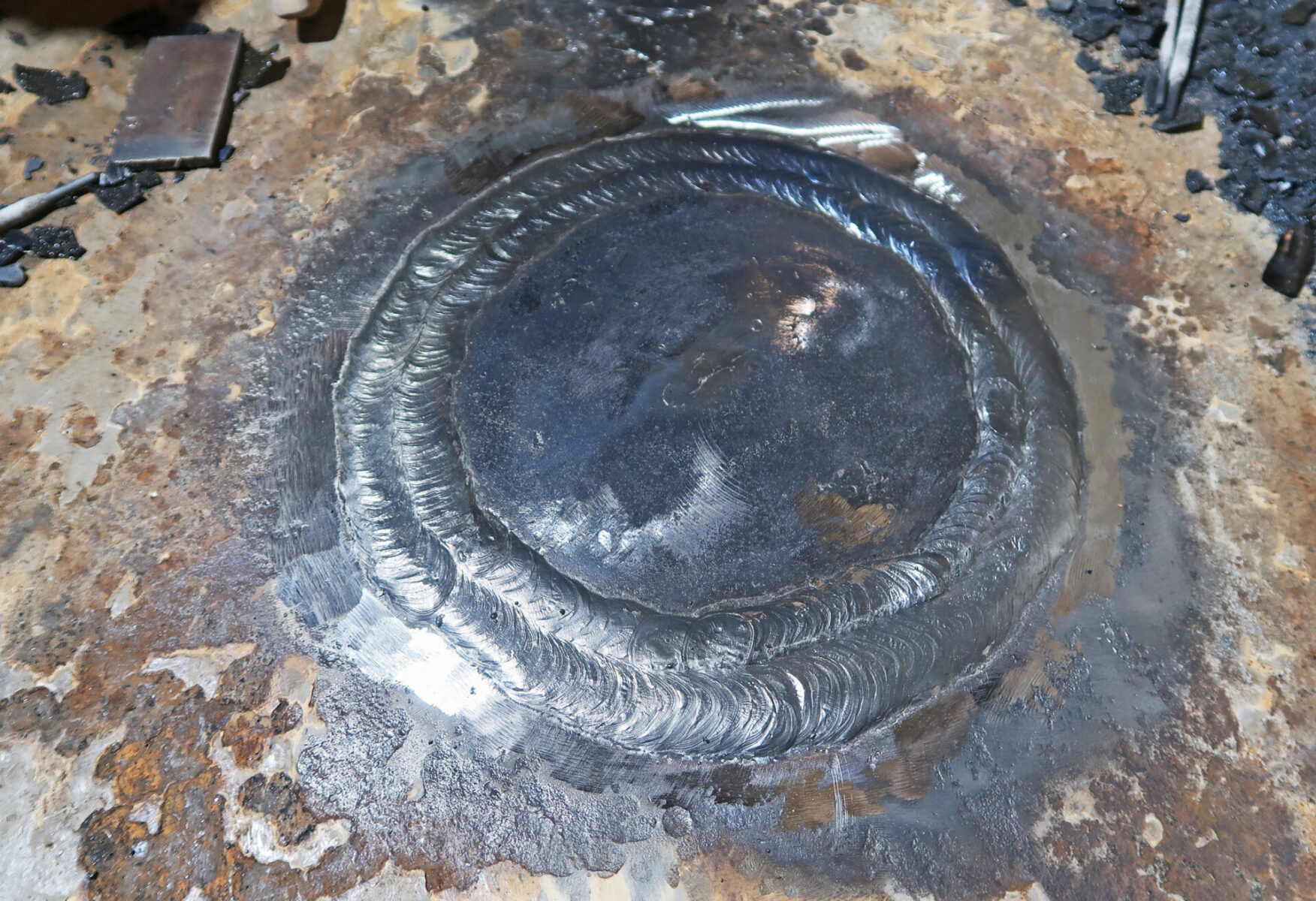
A similar operation followed in Amsterdam, where a 144-meter oil tanker required an insert repair inside its engine room. Using the same repair procedure, our team installed a 300 × 300 mm insert plate while the vessel remained afloat. Thanks to extensive experience carrying out insert repairs in every area of a vessel’s hull, the operation was completed quickly without delaying the ship’s schedule.
Zeebrugge: crack repair keeps car carrier operational
Not every shell plating repair requires the installation of a new insert. When a 229-meter car carrier developed a leak in its forepeak ballast tank during a stop in Zeebrugge, Belgium, the damage consisted of a crack rather than severe plating loss.
After installing a cofferdam and preparing the damaged area, our diver/welders carried out the necessary welding work to stop the leak. The repair enabled the owner to postpone drydock until a more convenient time, avoiding an unscheduled interruption to the vessel’s trading operations.
A repair method tailored to the damage
These projects show that not all shell plating damage requires the same solution. Some situations call for permanent insert repairs that fully restore the hull structure, while others are best addressed with temporary doubler plates or crack repairs that safely extend the vessel’s operating period until a planned docking.
Whether responding to an emergency grounding in Las Palmas, installing insert plates in Rotterdam or Trinidad, or repairing cracks in Zeebrugge, our objective remains the same: providing shipowners with class-approved underwater repairs that minimize downtime and keep vessels operating safely until — or even instead of — a drydock visit.