Damaged or corroded overboard pipes can pose a serious risk to a ship’s operations. When these pipes deteriorate, water ingress can occur, potentially leading to costly delays and unplanned drydock visits. Fortunately, replacing these pipes does not mean taking a vessel out of the water.
Our diver/technician teams regularly carry out permanent overboard pipe renewals while vessels remain afloat. Using our class-approved repair procedures and specially designed cofferdams, we can replace damaged pipes and restore their integrity without the need for drydocking.
Four operations in France, the Netherlands, the United Arab Emirates and Panama demonstrate how we adapt our approach to different vessels and repair requirements.
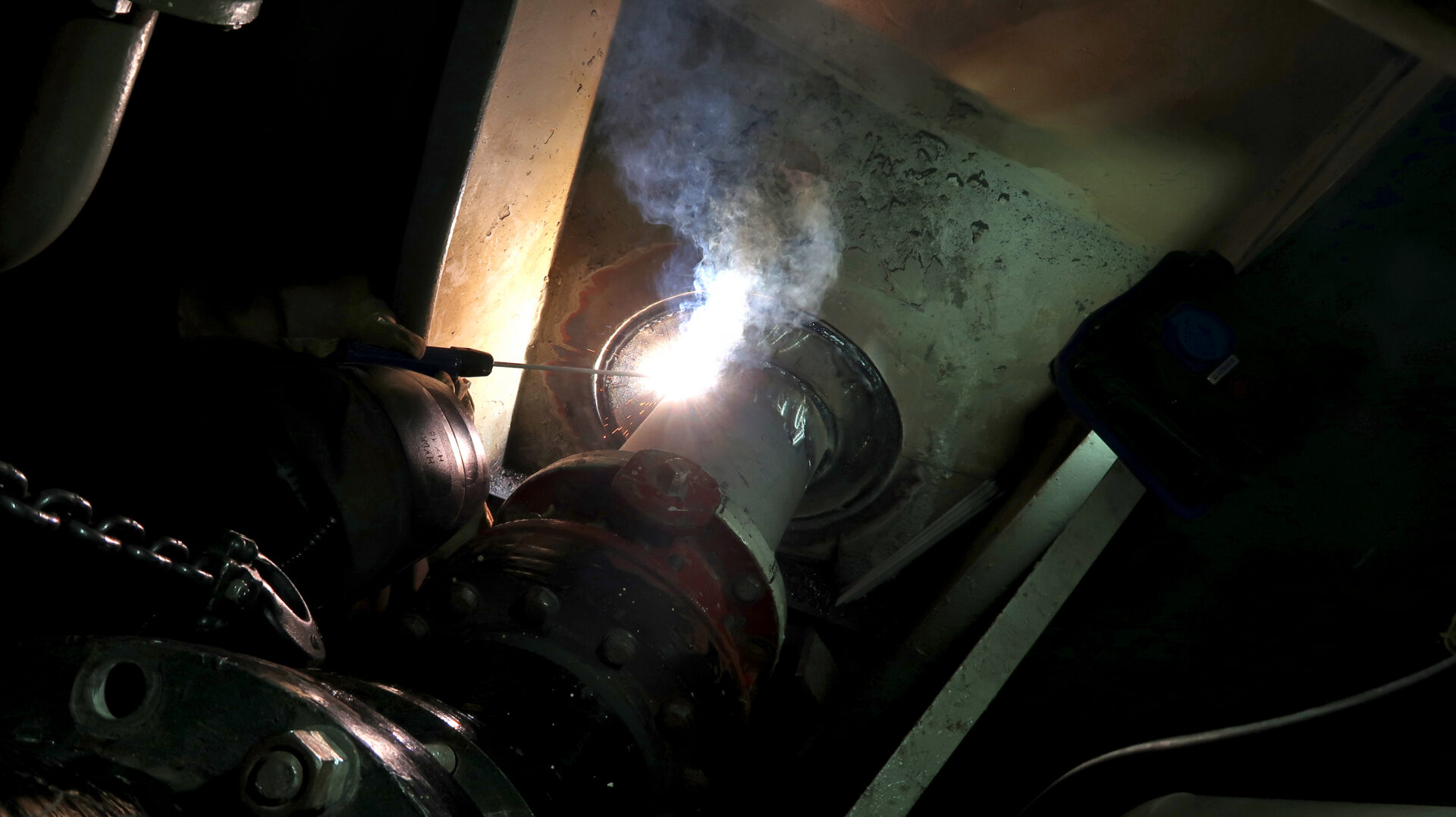
Correcting a previous scrubber pipe repair in France
Our team was called to Dunkirk, France, to replace a scrubber overboard pipe on a 229-meter bulk carrier. A previous repair carried out by another company had left the pipe incorrectly installed, making a complete renewal necessary.
Following an inspection, it was determined that the entire pipe and flange needed to be replaced. Because the existing pipe featured a cladding layer, it could not simply be welded directly into the existing hull opening. A new insert plate was therefore required.
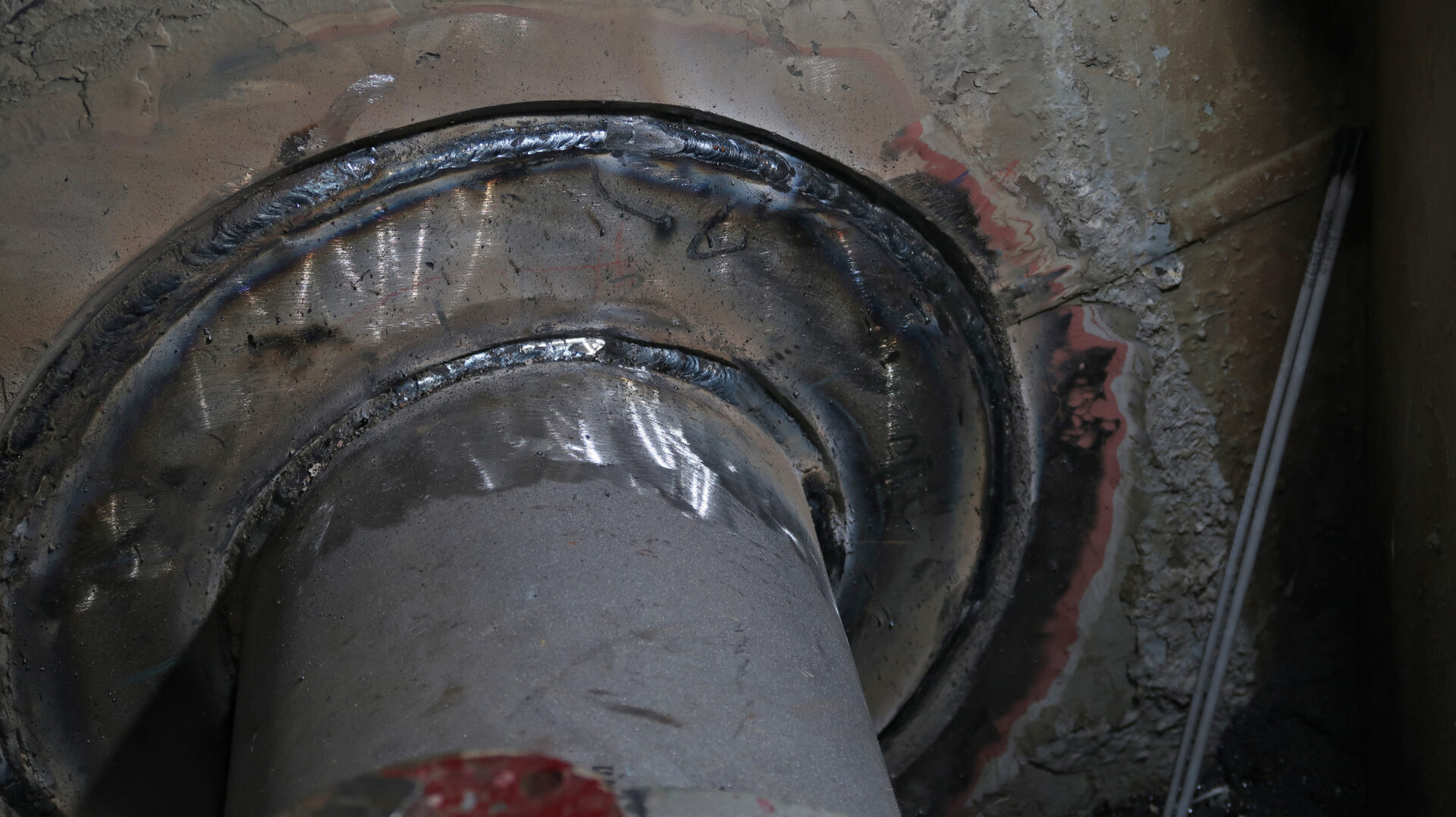
Our technicians removed the defective pipe together with a section of surrounding shell plating. A new insert plate was fitted and welded into position, followed by the replacement pipe.
The internal surface of the new pipe was then protected with Ecospeed, a highly corrosion-resistant coating developed by our sister company, Subsea Industries. This provided additional protection for a component exposed to the demanding conditions of a scrubber discharge system.
The repair was successfully completed and accepted by the parties involved, providing a permanent solution to the incorrectly installed pipe.
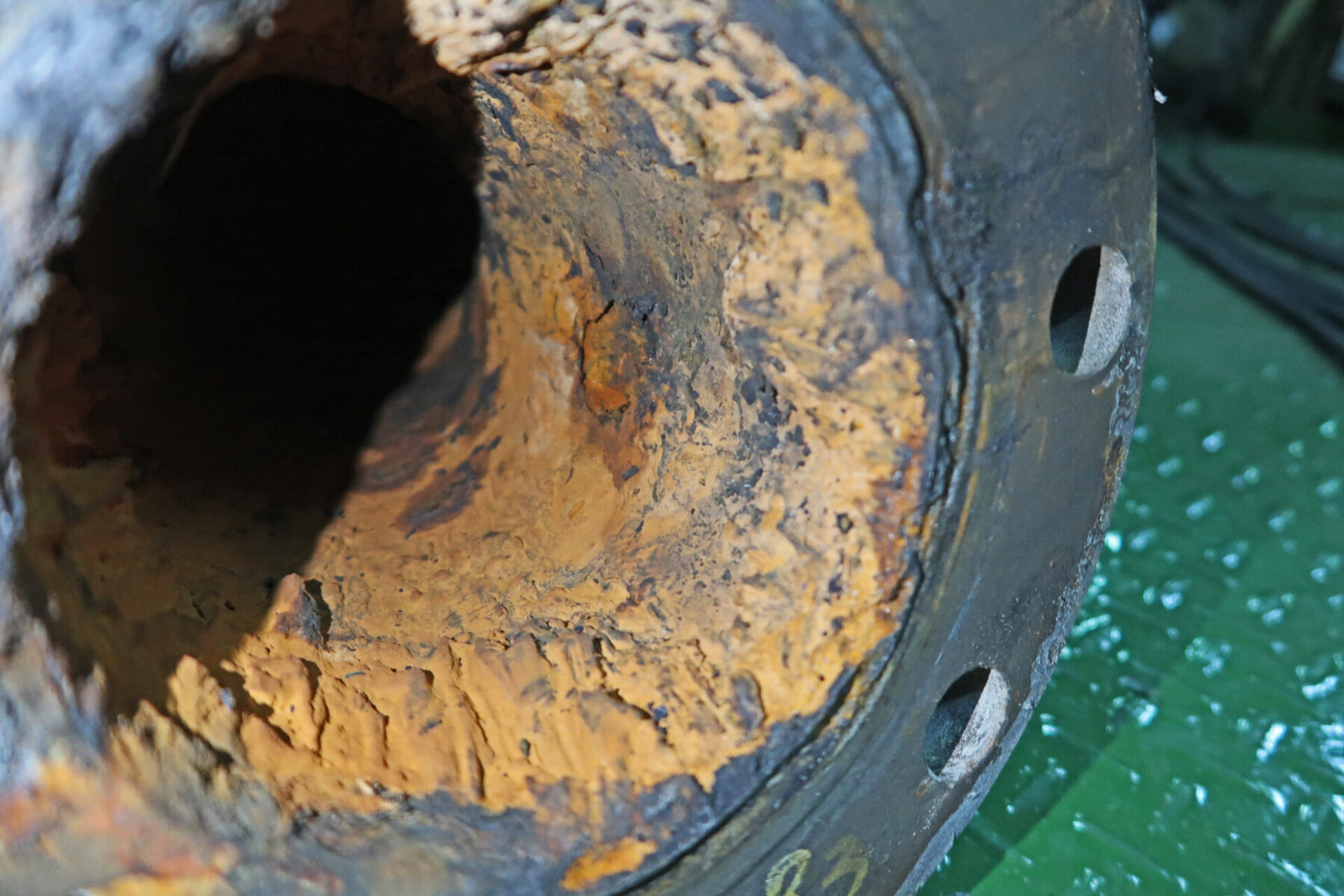
From temporary to permanent repair in Rotterdam
In Rotterdam, the Netherlands, we were contacted to replace a damaged seawater overboard discharge pipe connected to the forward generator of a 249-meter crude oil tanker.
The vessel’s crew had already carried out a temporary repair, but the damaged pipe needed to be replaced to restore the system’s integrity.
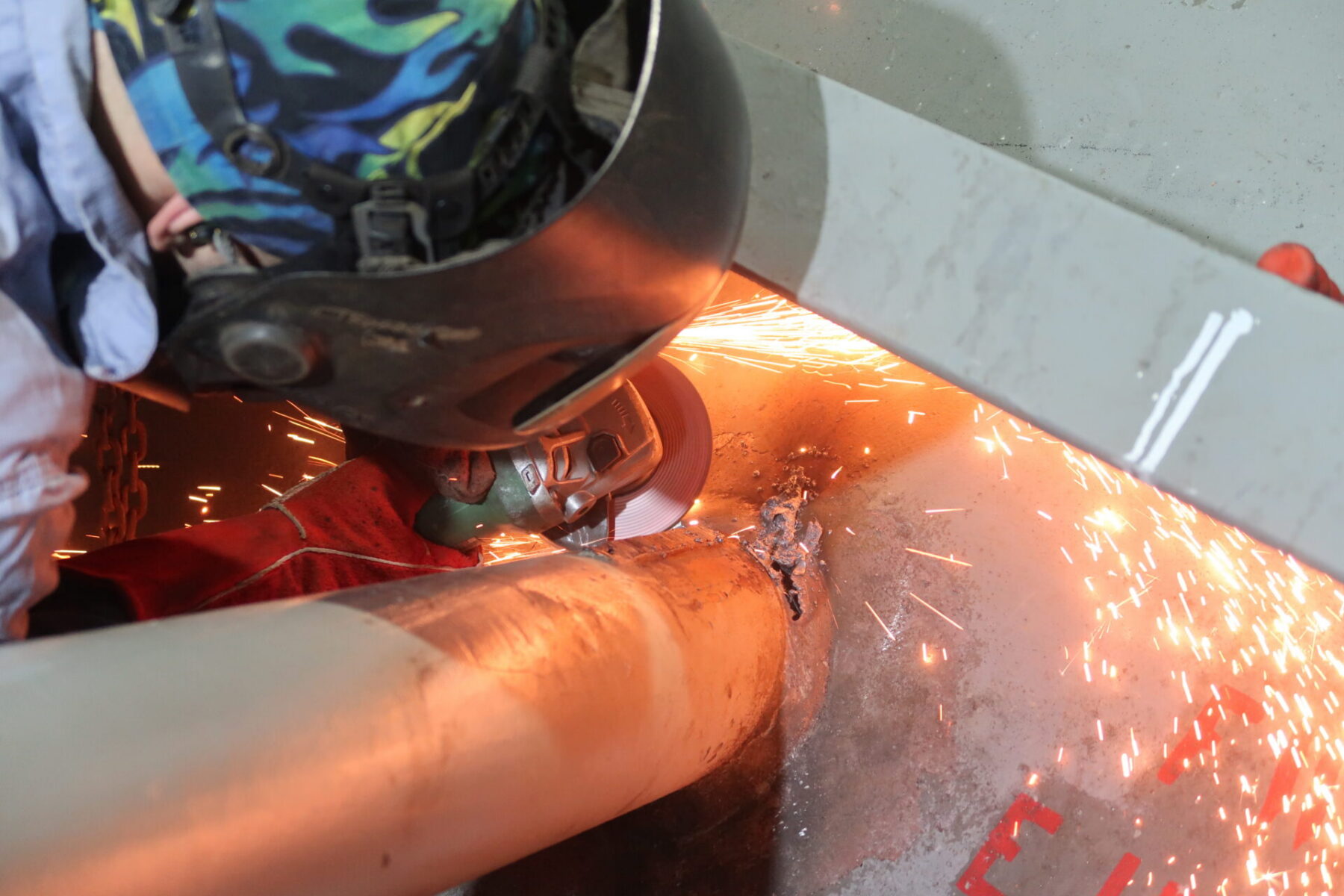
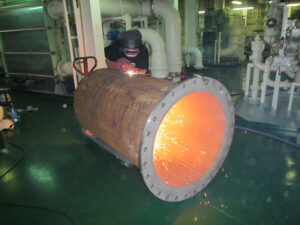
Following an onboard inspection, our team prepared a new pipe and flange assembly. The existing damaged components were removed, and the replacement was accurately positioned and welded into the vessel’s hull.
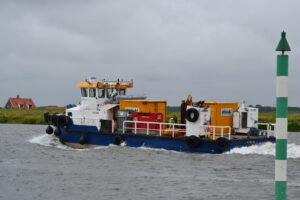
As the terminal did not permit work from the quay, our team used a workboat to carry out the underwater operations.
The complete renewal was carried out during the vessel’s stay in Rotterdam. The finished installation passed its inspections and leak test, providing a permanent replacement for the temporary repair.
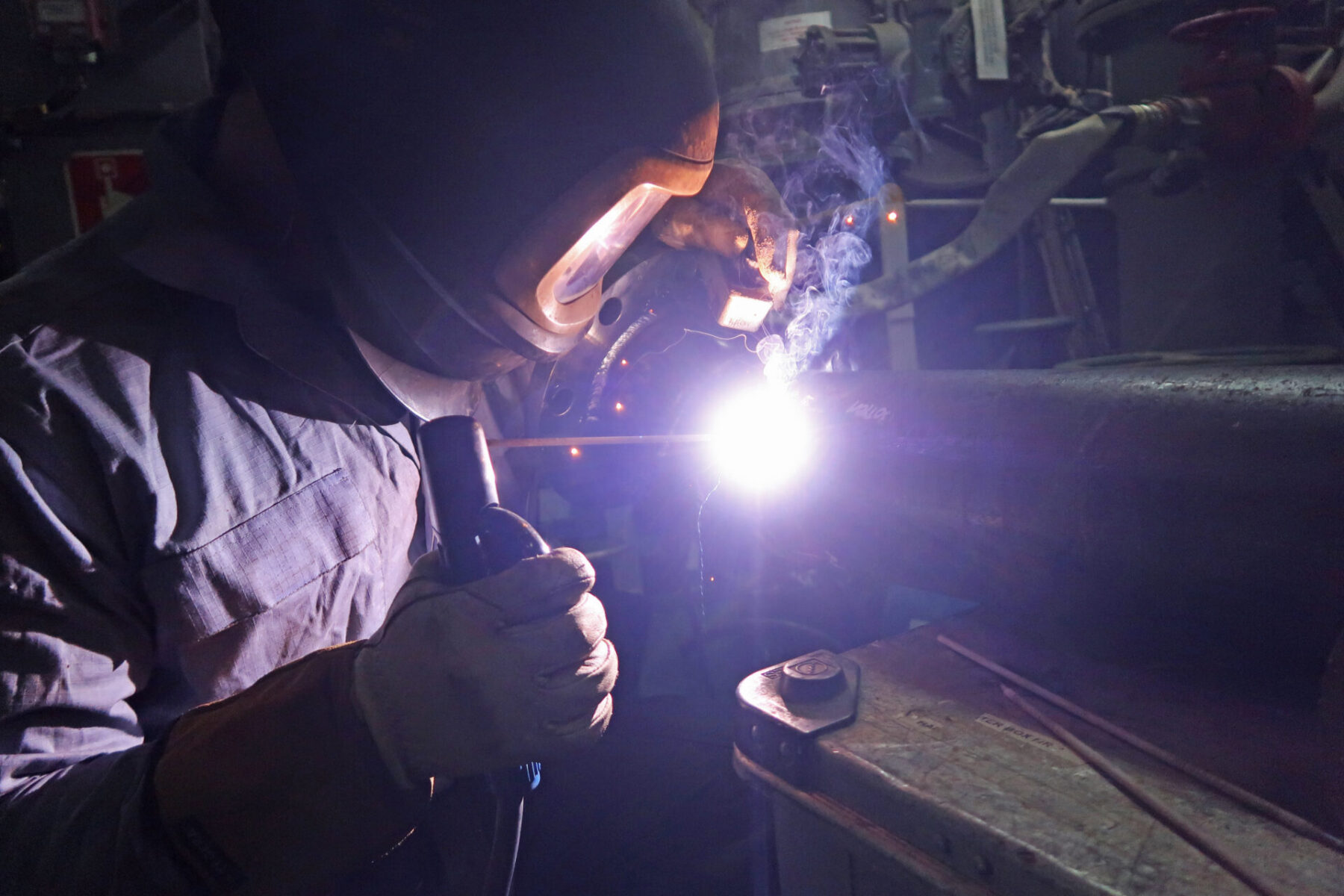
Scrubber pipe replacement in the United Arab Emirates
Another operation took place in Jebel Ali, United Arab Emirates, where a 199-meter vehicle carrier required the renewal of a scrubber overboard pipe.
An earlier inspection had identified the need to replace the pipe. After examining the installation, our technicians determined that renewing both the pipe and its flange was the most suitable solution.
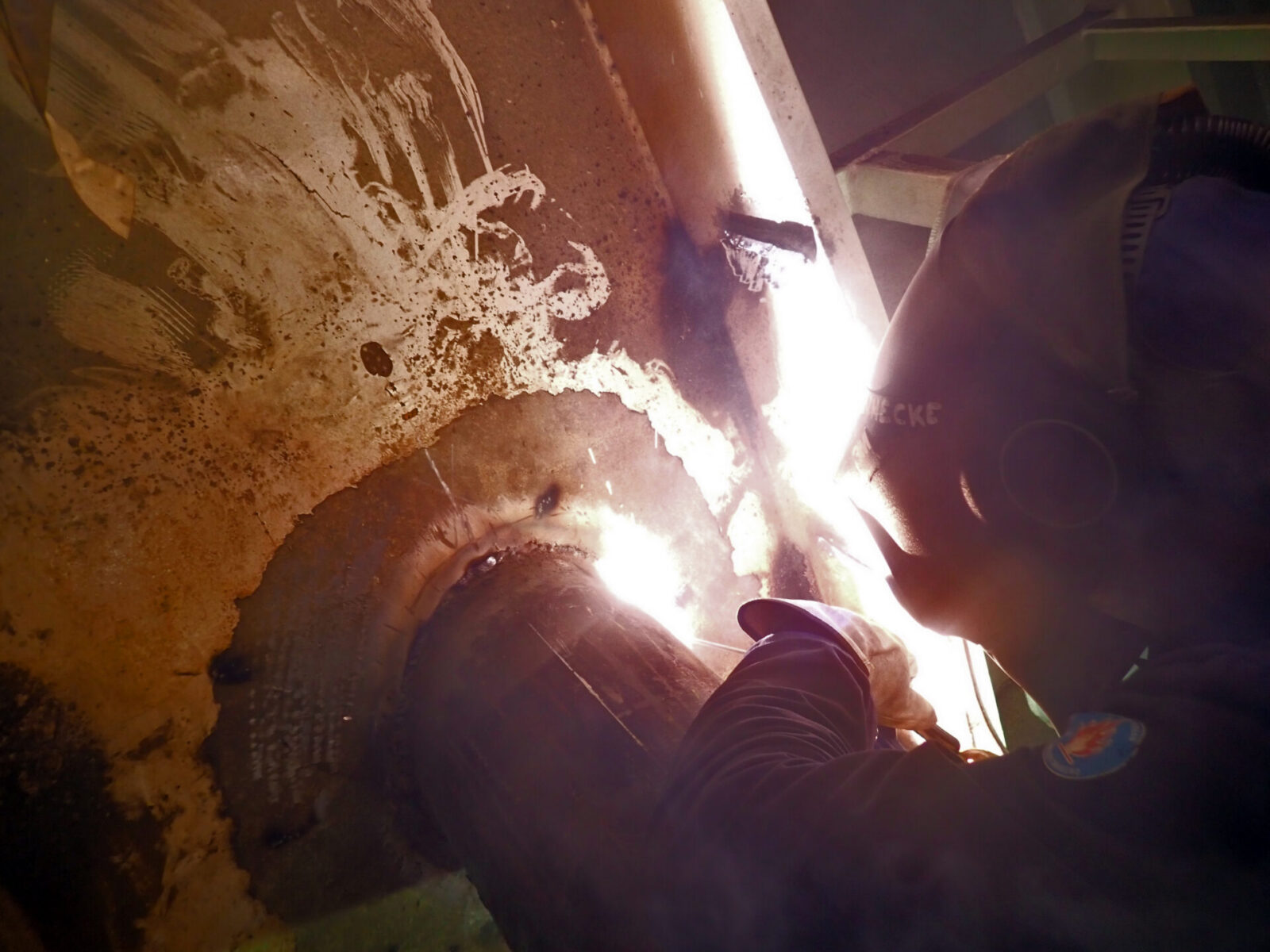
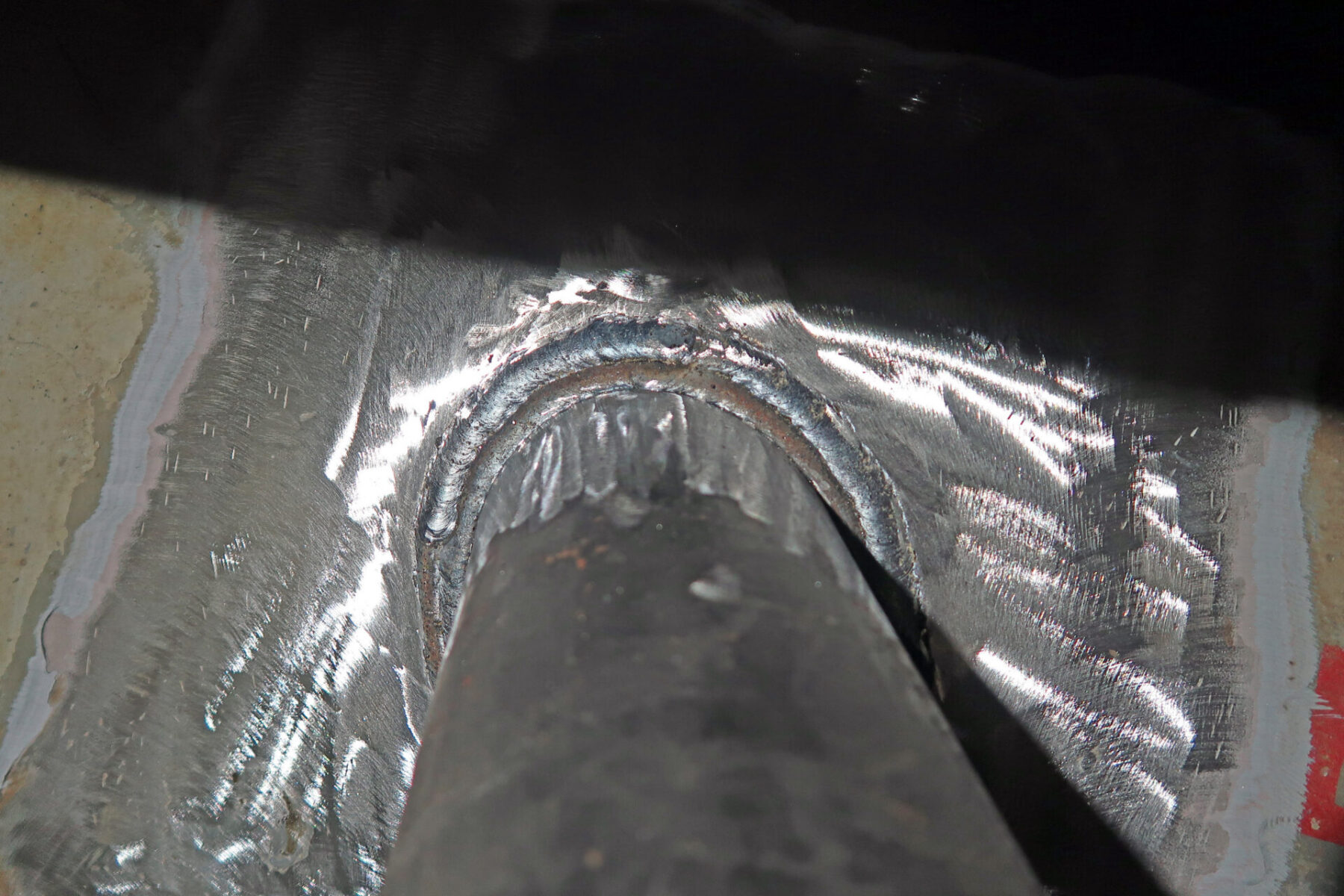
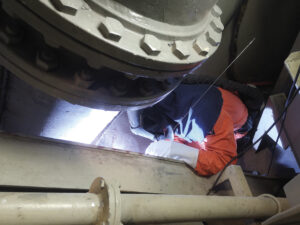
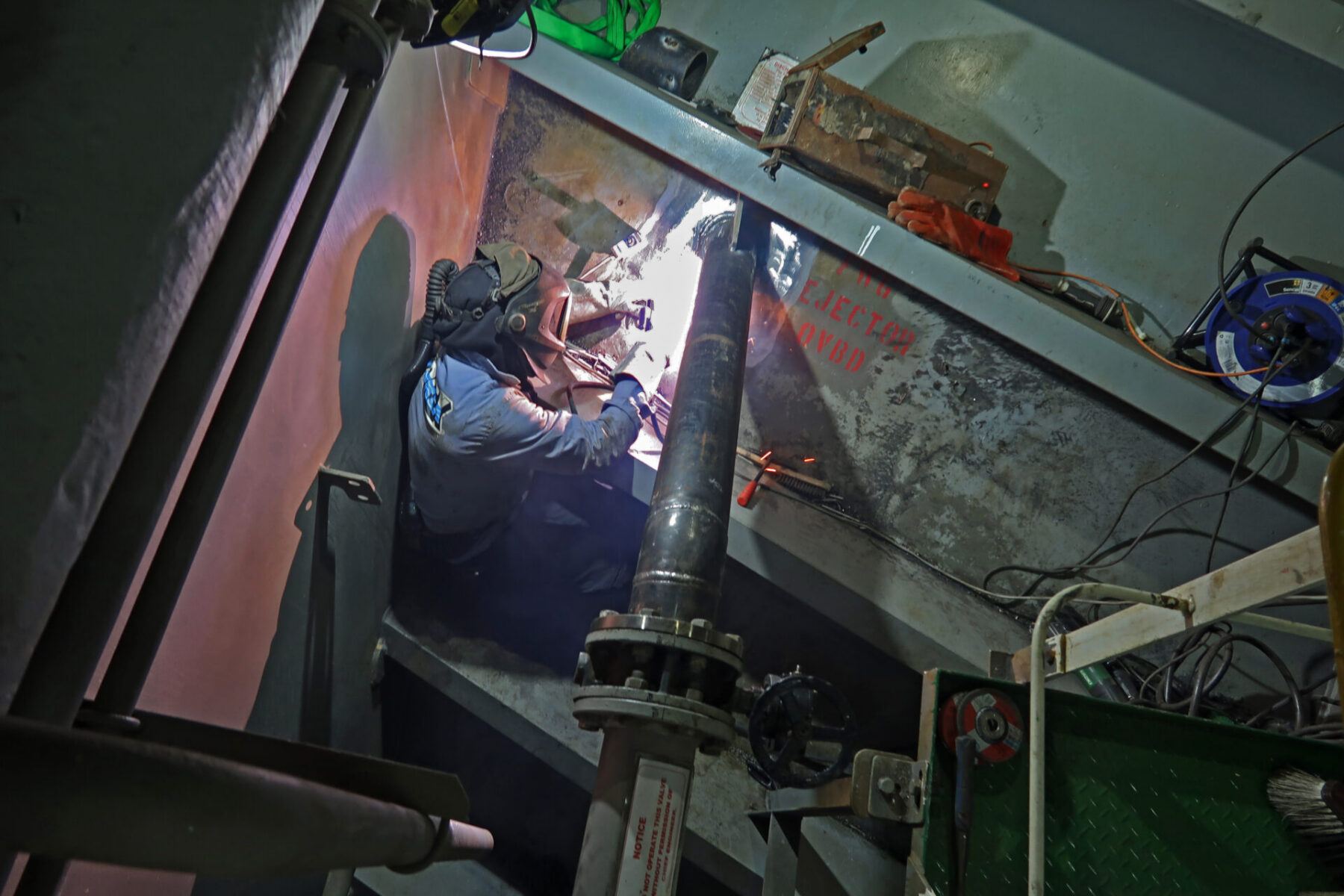
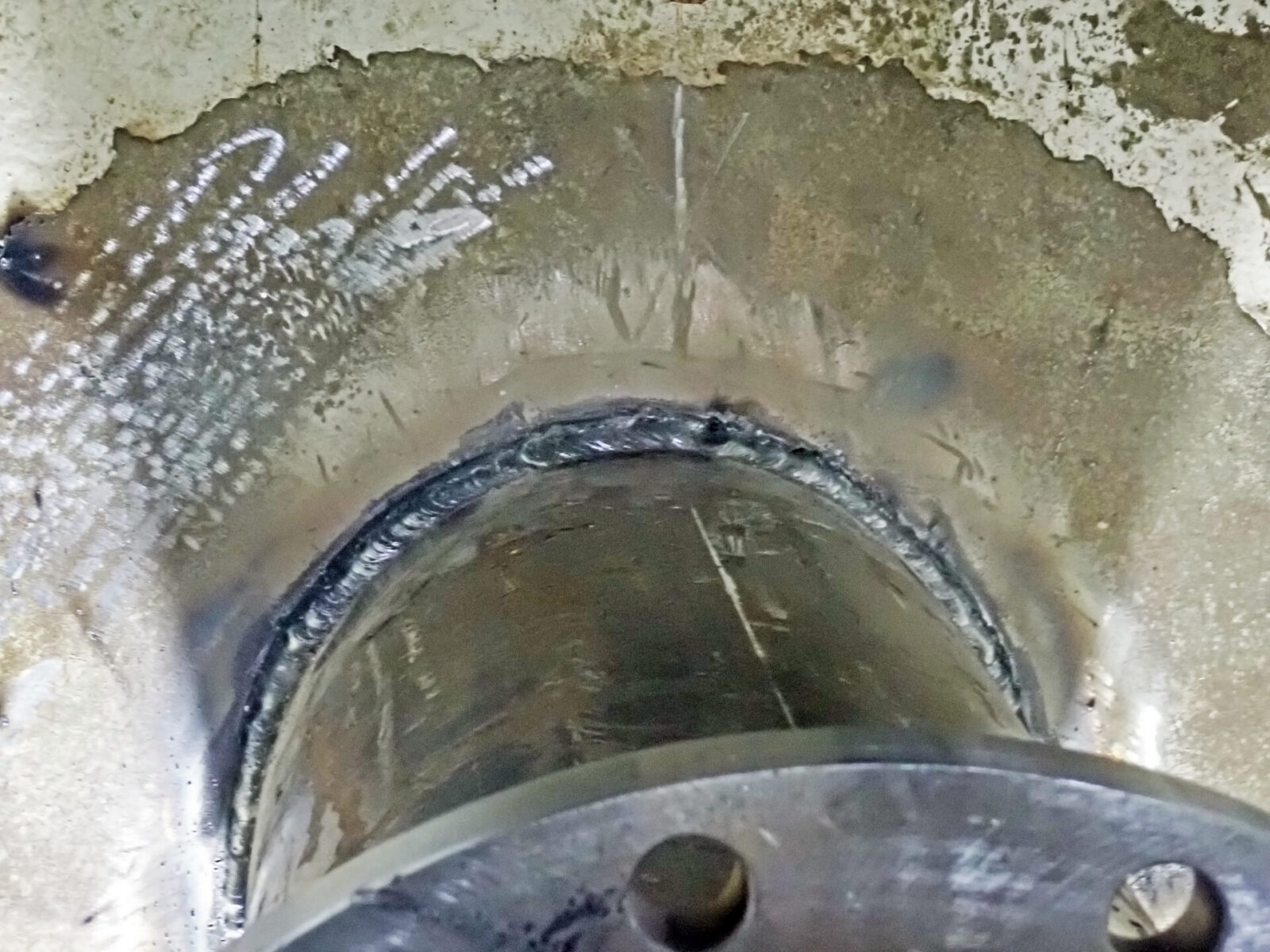
The old components were disconnected and removed. Particular attention was paid to preparing the existing hull opening, ensuring that the replacement pipe could be correctly positioned and welded into the shell plating. The new pipe was secured using a full penetration weld from inside the vessel.
A successful leak test confirmed the integrity of the installation. The entire operation was completed during the vessel’s port stay, eliminating the need for a separate drydock visit.
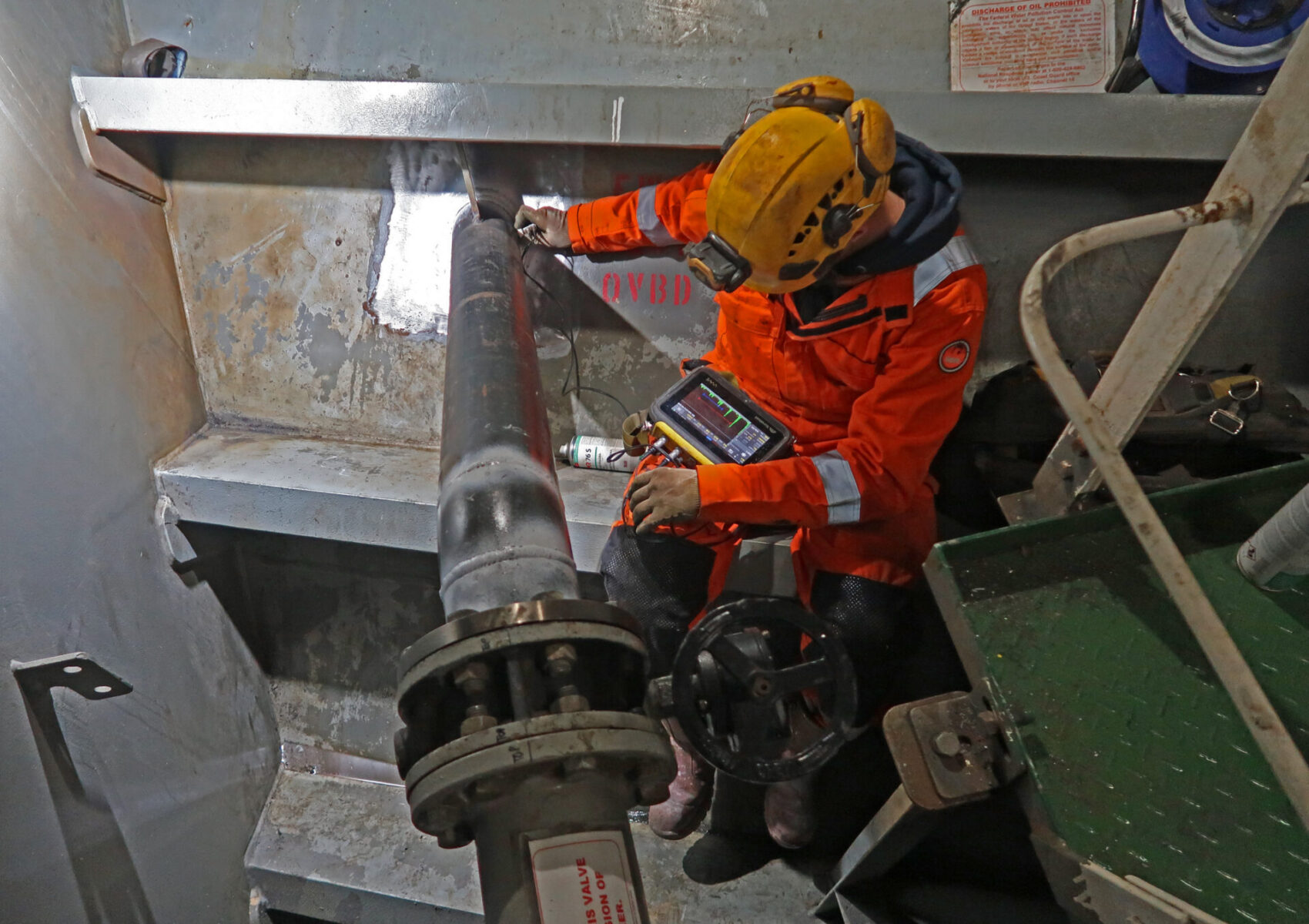
Overboard pipe renewal on cruise ship in Panama
One of our teams also mobilized to Panama to replace a damaged overboard pipe section on a 238-meter cruise ship.
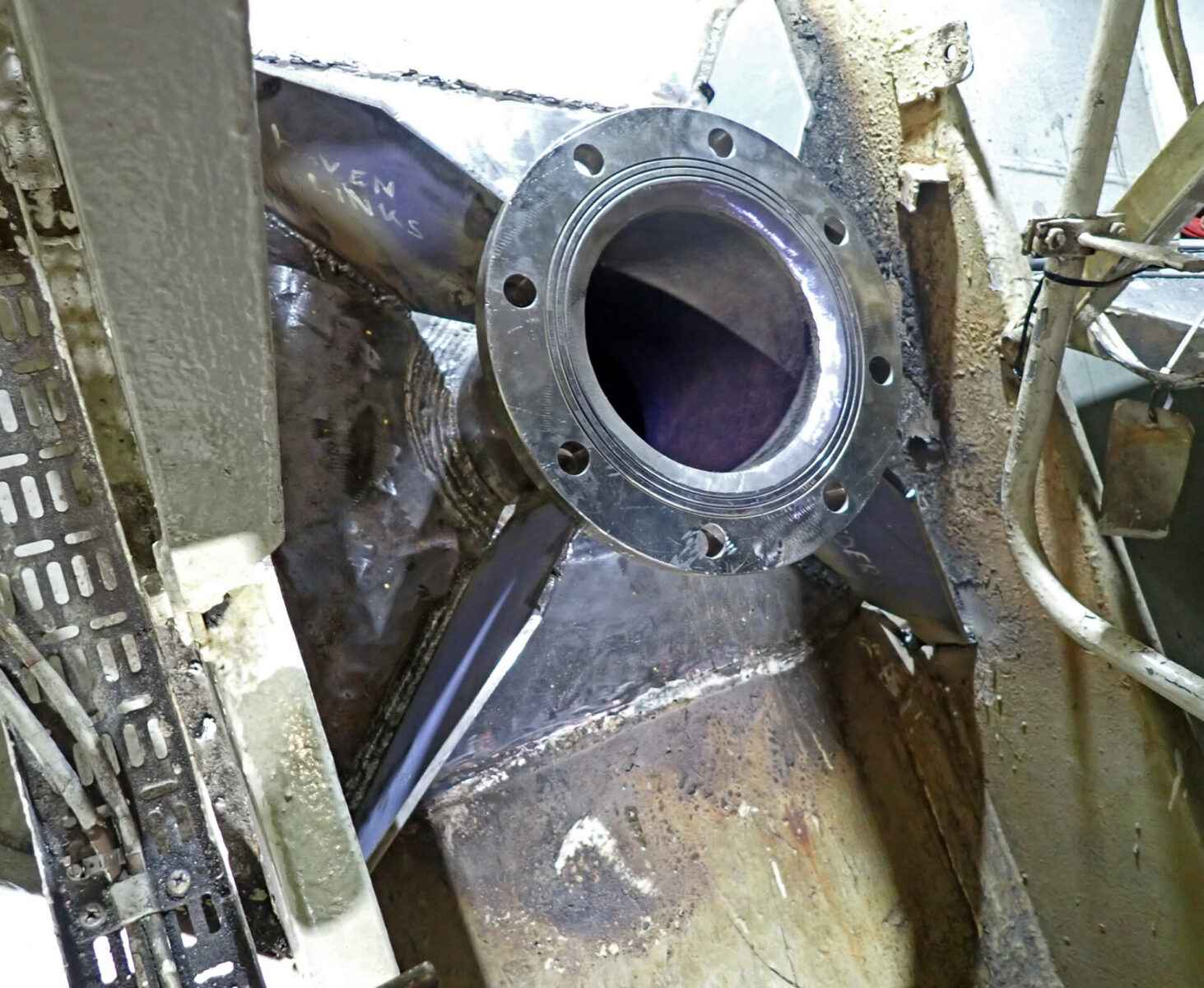
The repair required the removal of the existing valve and affected pipe section before a new section could be fitted and welded into position.
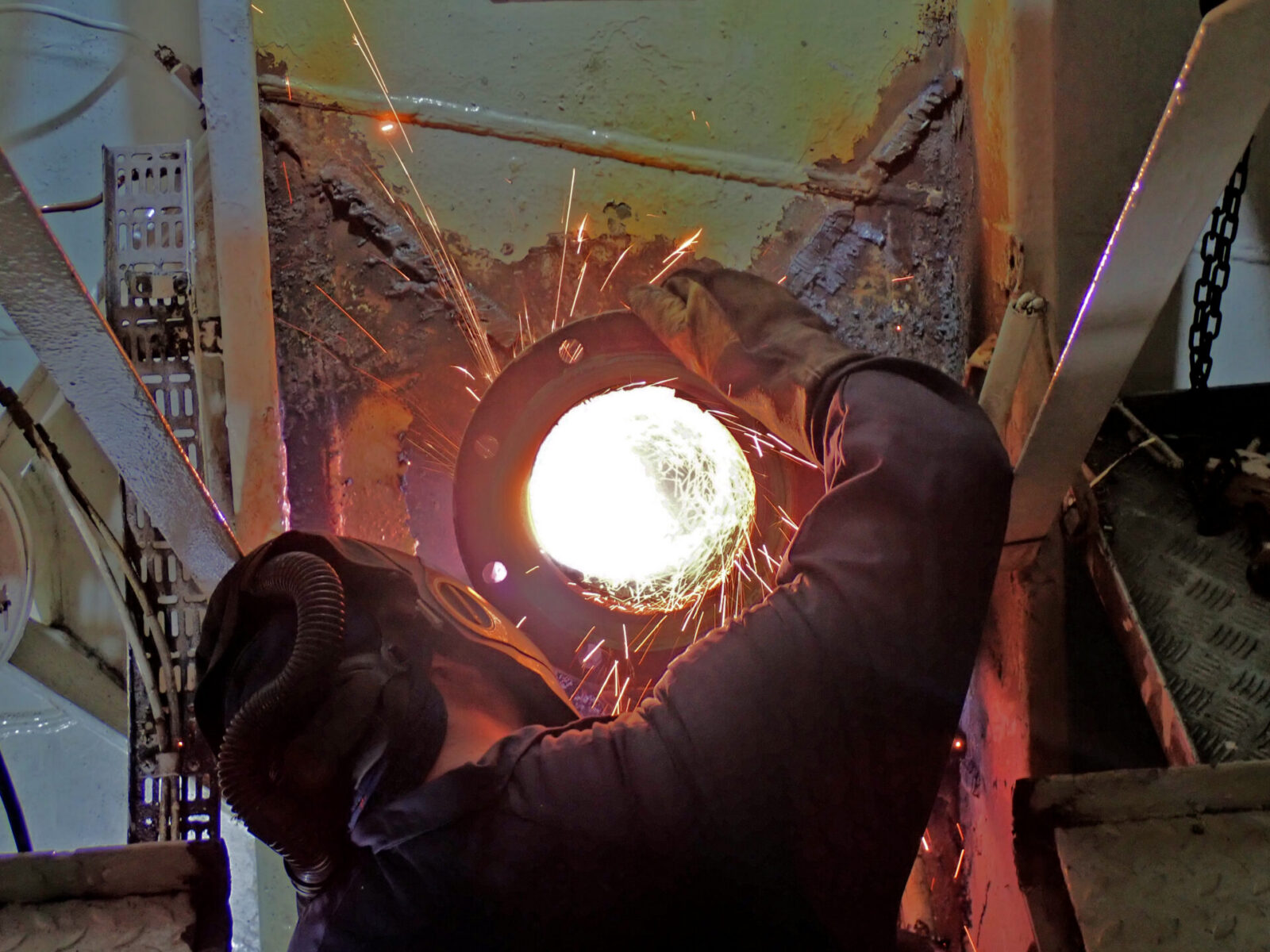
Following the successful installation, the supporting brackets were reinstated. The inside of the pipe was then coated and the valve and adjoining pipework were reassembled. After a successful leak test, our divers carried out a final underwater inspection.
The close cooperation between our technicians and the ship’s crew allowed the different stages of the operation to be coordinated efficiently.
Permanent repairs carried out while afloat
Although each operation presented different challenges, all four repairs relied on our established procedures for carrying out pipe renewals while vessels remain afloat.
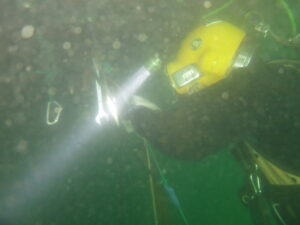
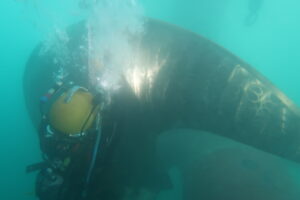
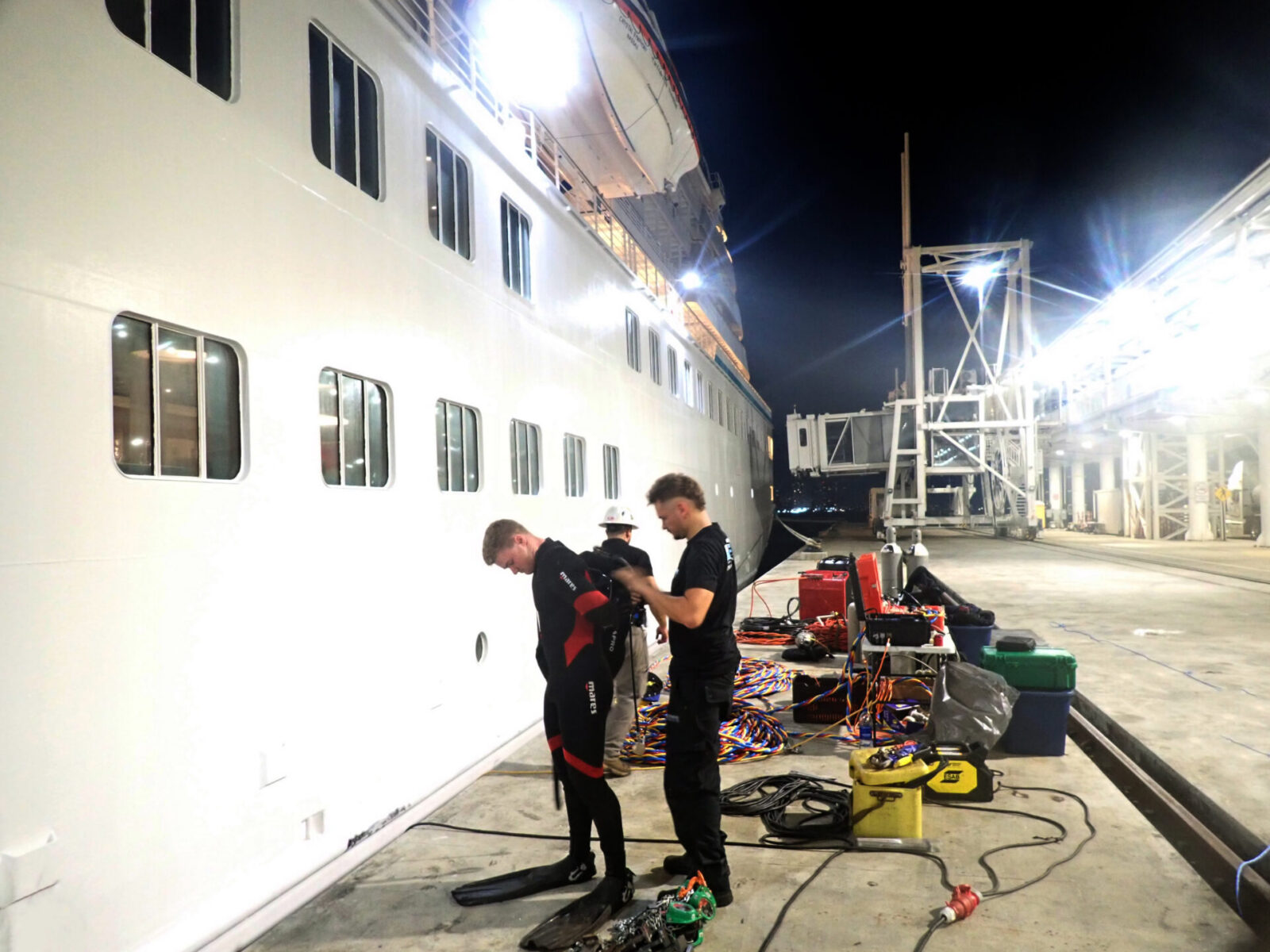
A key element of these operations is the use of an external cofferdam. Installed by our divers over the affected hull opening, it creates a dry working environment that enables technicians to remove damaged components and carry out conventional welding from inside the vessel.
Depending on the pipe configuration and condition of the surrounding steel, the replacement can be welded directly into the prepared hull opening or installed together with a new section of shell plating.
Avoiding costly downtime
These four operations demonstrate that even extensive overboard pipe replacements can be performed efficiently while a vessel remains afloat.
By combining experienced diver/technician teams, class-approved procedures and specialized underwater equipment, we can adapt our repair methods to a wide variety of pipe systems and vessel types.
Our technical department works closely with vessel crews and classification societies to plan and execute repairs with minimal disruption to the vessel’s schedule.
Whether dealing with a deteriorated scrubber discharge pipe, a damaged seawater outlet or an incorrectly installed overboard connection, our teams can mobilize worldwide to carry out permanent repairs.